English
 Arabic
 French
 German
 Indonesian


English
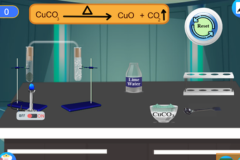
Unit one: chemical reactions. Lesson one: chemical reactions.Keywords (English): copper carbona......
Science
Unit one: chemical reactions. Lesson one: chemical reactions.Keywords (English): copper carbonate – heating – decomposition – carbon dioxide
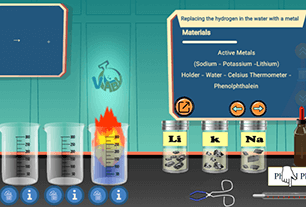
Objective:Identify the effect of the reaction of reactive metals with hydrogenMaterials:Glass beaker......
Chemistry
Objective:Identify the effect of the reaction of reactive metals with hydrogenMaterials:Glass beaker – Water – Lithium – Sodium – Potassium – Tongs – Thermometer – Phenolphthalein solutionProcedure:Fill three beakers with equal amounts of water Add a few drops of phenolphthalein solution to each bea......
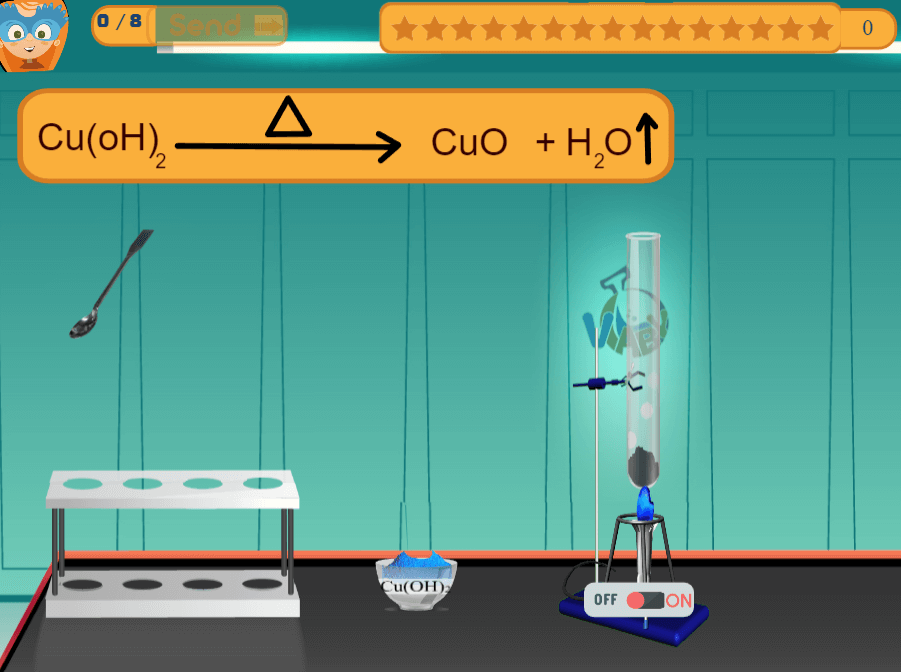
Unit one: chemical reactions. Lesson one: chemical reactions.Keywords (English): copper hydrox......
Chemistry
Unit one: chemical reactions. Lesson one: chemical reactions.Keywords (English): copper hydroxide – thermal decomposition – heating – oxides
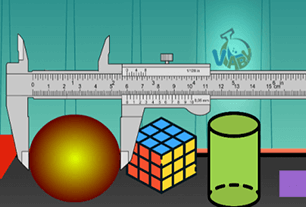
Keywords: Vernier caliper – Precise measurement – Lengths – Measuring tools
Science
Keywords: Vernier caliper – Precise measurement – Lengths – Measuring tools
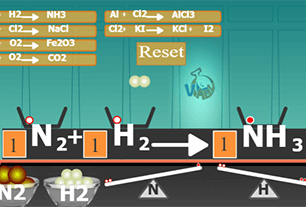
Keywords: Equation balancing – Chemical equilibrium – Reactants – Products – Atoms
Science
Keywords: Equation balancing – Chemical equilibrium – Reactants – Products – Atoms
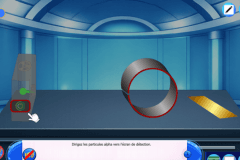
Keywords: Rutherford model – Atomic nucleus – Alpha particles – Gold foil
Chemistry
Keywords: Rutherford model – Atomic nucleus – Alpha particles – Gold foil
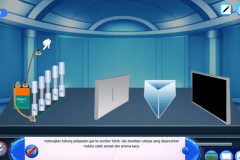
the goal:The hydrogen atom discrete spectroscopyMaterials and tools:Hydrogen gas electrical discharg......
Chemistry
the goal:The hydrogen atom discrete spectroscopyMaterials and tools:Hydrogen gas electrical discharge tube - triple glass prism - white screen - two vertical micro-slits opposite each other - metal rod - connecting wiresSteps:1-Connect the positive terminal of the voltage source to the base of the e......
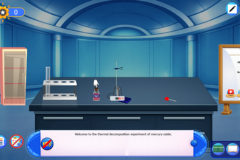
Unit one: chemical reactions. Lesson one: chemical reactions.Keywords (English): mercury oxide......
Chemistry
Unit one: chemical reactions. Lesson one: chemical reactions.Keywords (English): mercury oxide – thermal decomposition – mercury – oxygen
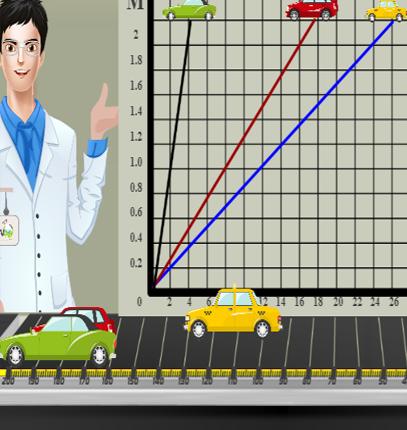
The goal of the experiment: experiment to learn the concept of speed and how we can measure it Exper......
Science
The goal of the experiment: experiment to learn the concept of speed and how we can measure it Experience Tools: different speed cars – stopwatch- measuring tape Steps of the experiment: The conclusion: Keywords (English): speed – motion – distance – time – speed measurement
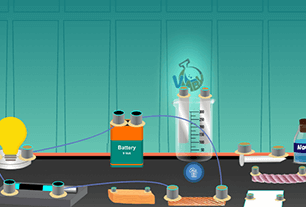
The goal of the experiment: Explain the difference of materials from each other in the ability of el......
Science
The goal of the experiment: Explain the difference of materials from each other in the ability of electrical conductivity Experience Tools: Battery - electric lamp - glass cup - acids, strengths, salts and sugar solution - wood - copper - steel nail - connecting wires Steps of the experiment:......
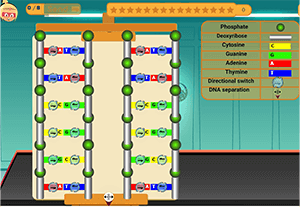
Keywords: DNA replication – Chromosomes – Genetic code – Replication enzymes
Science
Keywords: DNA replication – Chromosomes – Genetic code – Replication enzymes
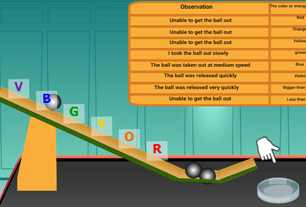
Keywords: Photoelectric effect – Electrons – Light – Emission
Physics
Keywords: Photoelectric effect – Electrons – Light – Emission
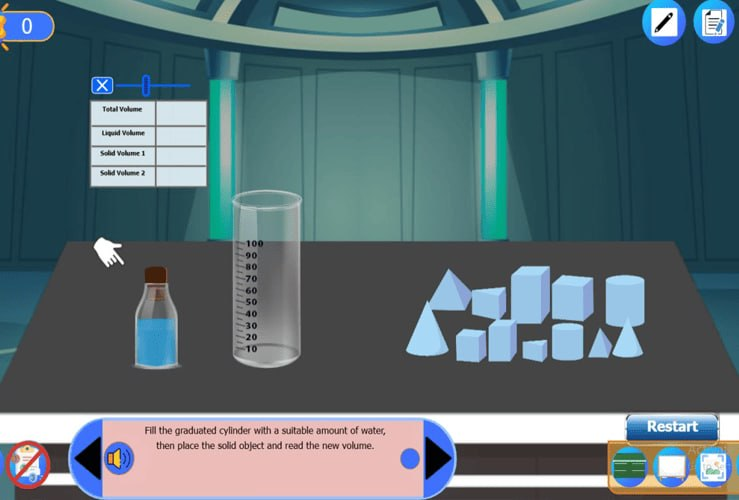
Science curriculum for the first grade of middle school The first unit: periodicity of the element......
Science
Science curriculum for the first grade of middle school The first unit: periodicity of the element Lesson two: List the properties of the elements in the periodic tableObjective: Determine the volume of a solid object using the known volume of a liquidMaterials: Graduated cylinder – Water – Various......
This experiment aims to determine the density of solid objects by measuring their mass and volume. T......
Science
This experiment aims to determine the density of solid objects by measuring their mass and volume. The mass is measured using a balance, while the volume is determined either from the object’s dimensions (if it has a regular shape) or by water displacement in a graduated cylinder (if irregular). The......

Electrical Conductivity of AcidsKeywords (English): electrical conductivity – acids – ions – electro......
Science
Electrical Conductivity of AcidsKeywords (English): electrical conductivity – acids – ions – electrolyte – electric current

Keywords: Acids – Bases – Indicators – pH – Color
Chemistry
Keywords: Acids – Bases – Indicators – pH – Color
Keywords: Chemical reaction – Reactants – Products – Change
Science
Keywords: Chemical reaction – Reactants – Products – Change
Unit one: chemical reactions. Lesson one: chemical reactions.Keywords (English): thermal deco......
Science
Unit one: chemical reactions. Lesson one: chemical reactions.Keywords (English): thermal decomposition – sodium nitrate – heat – oxides – thermal reaction
Unit one: chemical reactions. Lesson one: chemical reactions.Keywords (English): silver nitrate......
Science
Unit one: chemical reactions. Lesson one: chemical reactions.Keywords (English): silver nitrate – sodium chloride – white precipitate – precipitation reaction
The process of oxidation and reduction according to the traditional conceptKeywords (English): oxida......
Chemistry
The process of oxidation and reduction according to the traditional conceptKeywords (English): oxidation – reduction – electron loss – electron gain – redox reactions
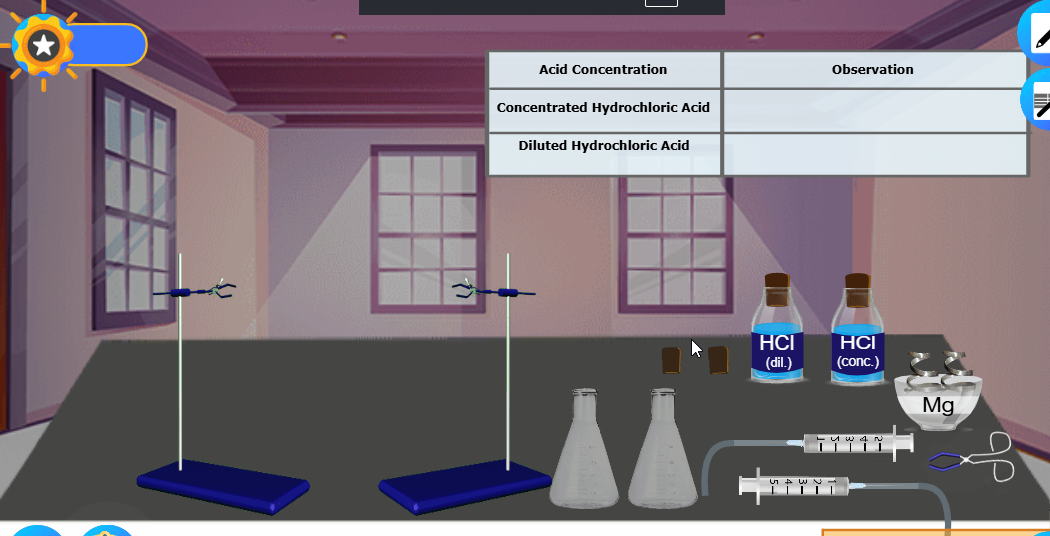
Unit One: Chemical Reactions. Lesson two: the speed of chemical reactions.Keywords (English): c......
Chemistry
Unit One: Chemical Reactions. Lesson two: the speed of chemical reactions.Keywords (English): concentration – reaction rate – reactants – collision frequency
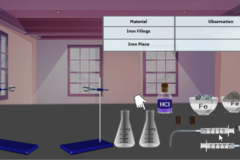
Unit One: Chemical Reactions. Lesson two: the speed of chemical reactions.Keywords (English): s......
Chemistry
Unit One: Chemical Reactions. Lesson two: the speed of chemical reactions.Keywords (English): surface area – reaction rate – reactants – collisions
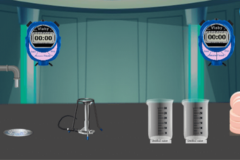
Objective To observe the effect of temperature on the rate of a chemical reactionTools Two glasses w......
Chemistry
Objective To observe the effect of temperature on the rate of a chemical reactionTools Two glasses with equal amounts of water, one hot and one cold Two effervescent tabletsSteps Place one tablet in the hot water and the other in the cold water Compare the rate of fizzing in both glassesObservation......
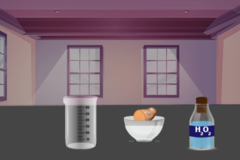
Unit One: Chemical Reactions. Lesson two: the speed of chemical reactions.Keywords (English): e......
Chemistry
Unit One: Chemical Reactions. Lesson two: the speed of chemical reactions.Keywords (English): enzymes – reaction rate – catalysts – biochemistry
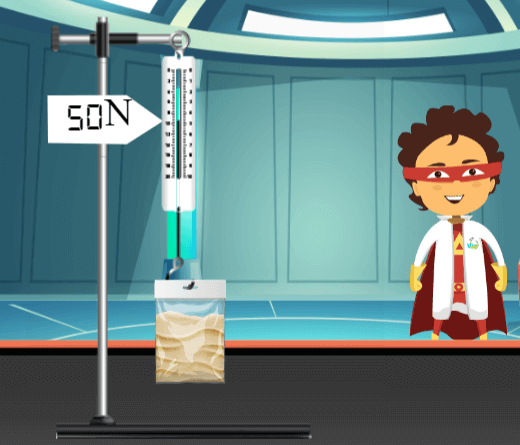
purpose of experienceHow to measure an object's weight by using a spring scaleToolsspring balance -......
Science
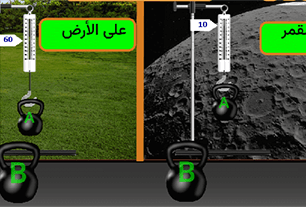
purpose of experienceHow to measure an object's weight by using a spring scaleToolsspring balance - the object to be weighed (sandbag) - tripodstepsWelcome, you are going to do an experiment showing how to measure an object's weight by using a spring scale. Look at the theoretical framework on the l......
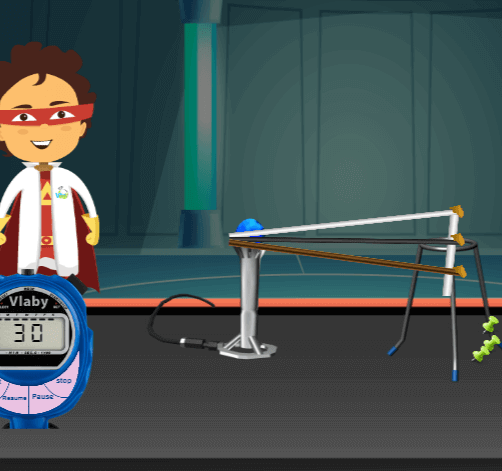
purpose of experiment The difference in the degree of heat conduction of different metals Tools Buns......
Science
purpose of experiment The difference in the degree of heat conduction of different metals Tools Bunsen flame - 2 metal stands - stopwatch - candle gun - 3 desk pin - 3 rods (copper, iron, aluminumsteps Fix each desk pin on each leg using a wax gun.Light a flame to allow heat to travel to each leg.Ca......
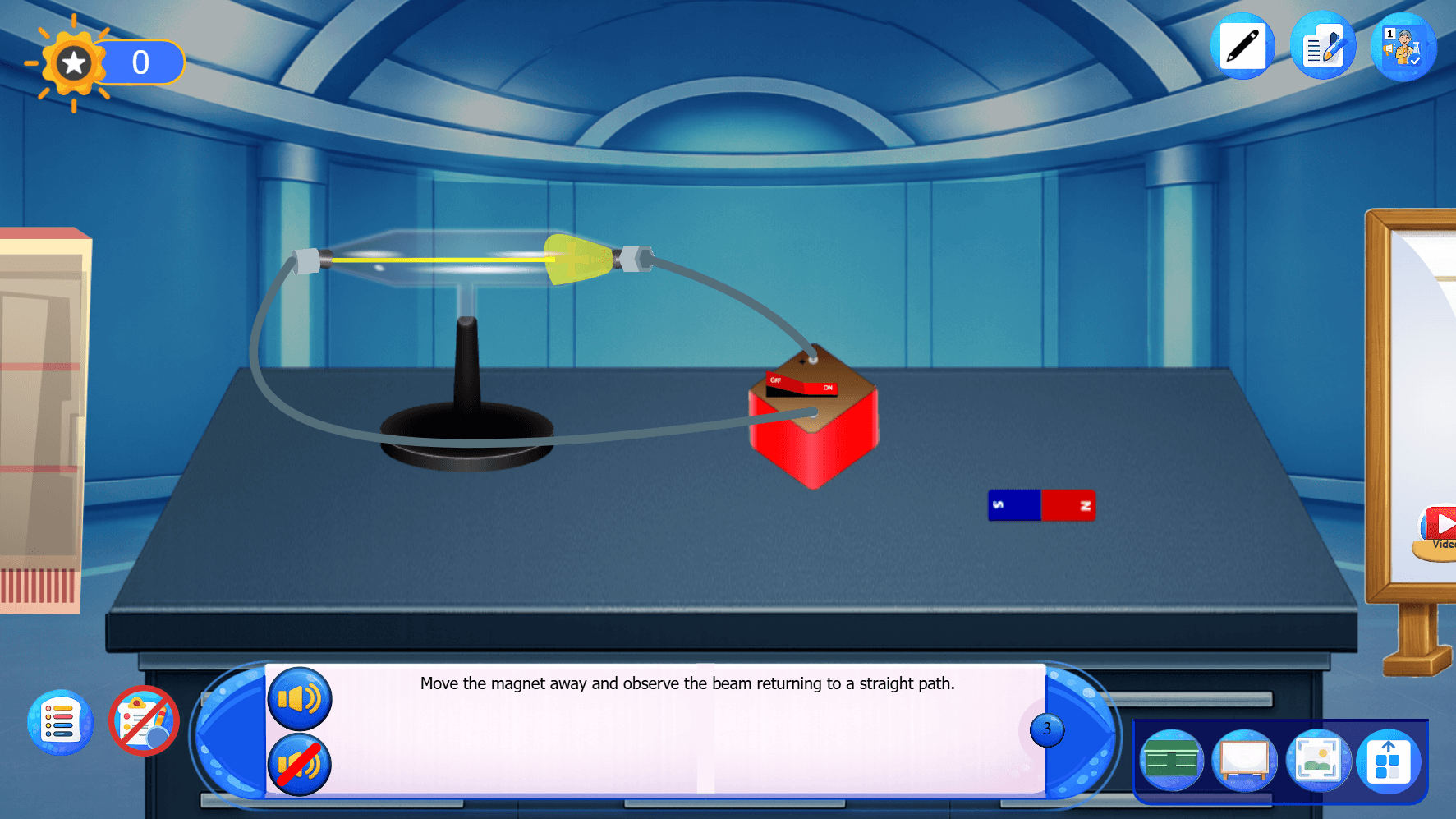
Objective: To deduce that cathode rays are negatively charged particles as proven by ThomsonMaterial......
Chemistry
Objective: To deduce that cathode rays are negatively charged particles as proven by ThomsonMaterials: Cathode ray tube _ electric power source _ magnetSteps: Connect the cathode ray tube to a power source Observe a straight luminous beam inside the tube Bring the magnet closer and observe what happ......
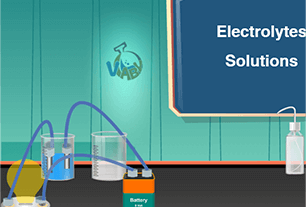
An experiment demonstrating the difference between electrolytic and non-electrolytic solutions by te......
Chemistry
An experiment demonstrating the difference between electrolytic and non-electrolytic solutions by testing their ability to conduct electric current using a simple electrical circuit and observing the brightness of a lamp.Keywords: Electrolytic Solutions - Non-Electrolytic Solutions - Electrical Cond......
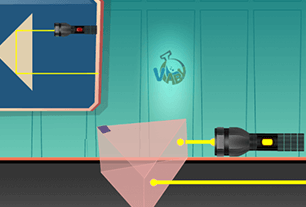
Keywords: Prism – Light refraction – Dispersion – Light path
Physics
Keywords: Prism – Light refraction – Dispersion – Light path
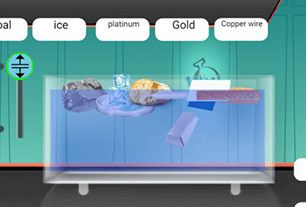
The goal of the experiment:Explain the difference between materials in terms of densityTools:Copper......
Science
The goal of the experiment:Explain the difference between materials in terms of densityTools:Copper wire - piece of gold - platinum ingot - ice cubes - piece of coal - cork - paper - piece of wood - ruler - screwSteps:Put the materials in front of you in the tub and control the liquid density from t......
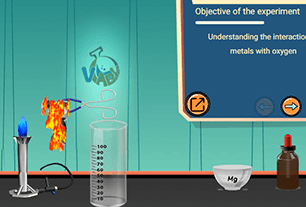
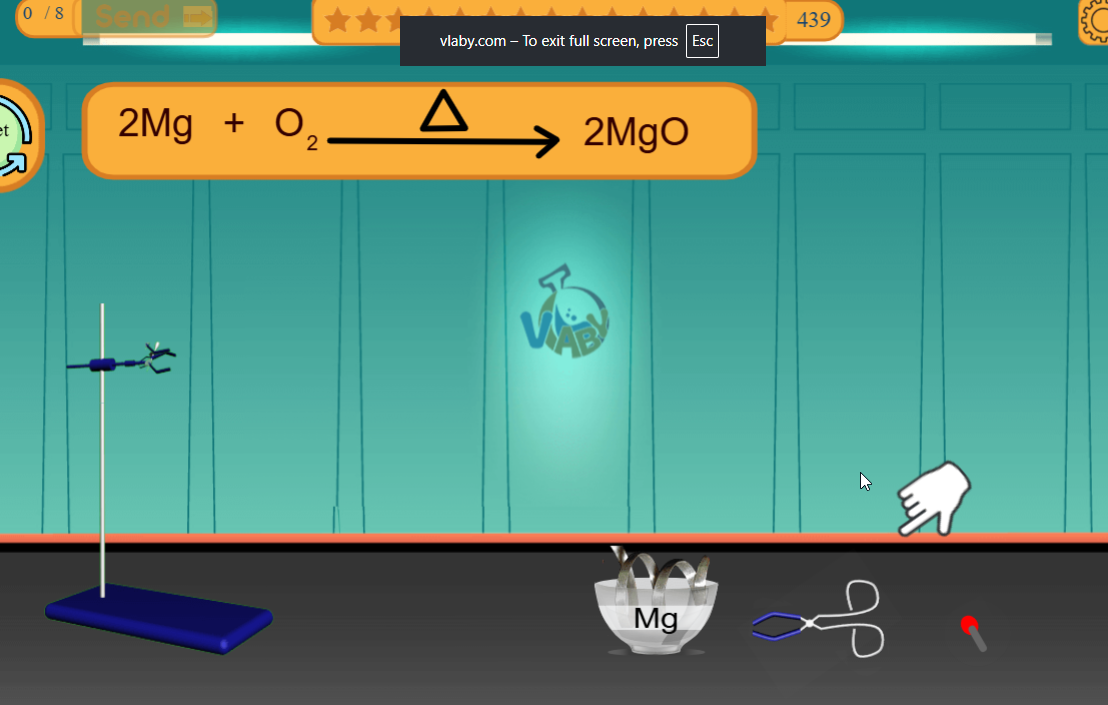
Keywords: Chemical properties – Metals – Oxidation – Oxides - Magnesium
Science
Keywords: Chemical properties – Metals – Oxidation – Oxides - Magnesium
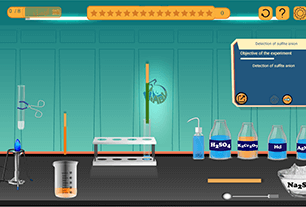
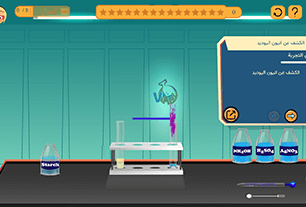
Please watch the video of the experiment here before starting itKeywords (English): iodide ion – yel......
Chemistry
Please watch the video of the experiment here before starting itKeywords (English): iodide ion – yellow precipitate – silver nitrate – chemical test
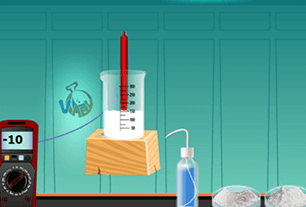
Endothermic reactionsKeywords (English): endothermic reactions – energy absorption – thermal change
Chemistry
Endothermic reactionsKeywords (English): endothermic reactions – energy absorption – thermal change
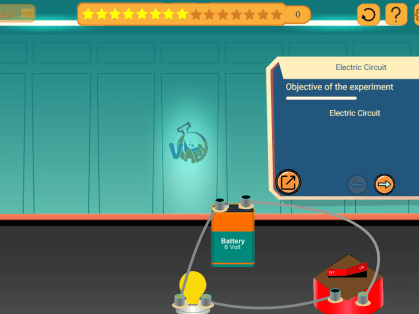
Electric CircuitKeywords (English): electric circuit – components – voltage – current
Science
Electric CircuitKeywords (English): electric circuit – components – voltage – current
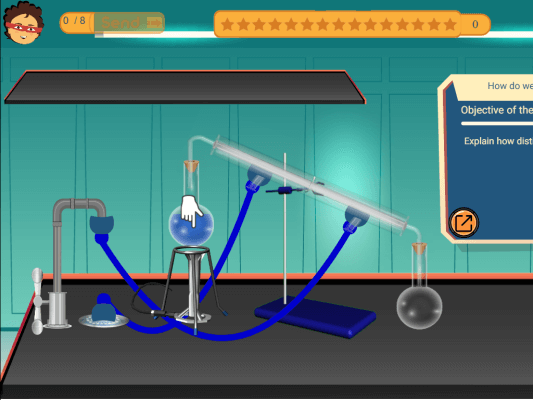
the goal:Explain how distilled water is obtained.Materials and tools:2 flasks - condenser - connecti......
Science
the goal:Explain how distilled water is obtained.Materials and tools:2 flasks - condenser - connecting tubes - salt water solution - flame - stoppersSteps:Place the condenser horizontally on the standPlace the flasks, one over a Bunsen flame and the other on a lab benchPour the salty water into the......
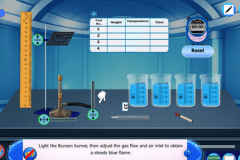
Keywords: Bunsen burner – Flame – Heating – Safety – Laboratory
Chemistry and physics
Keywords: Bunsen burner – Flame – Heating – Safety – Laboratory

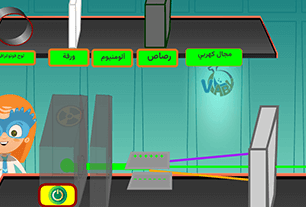
Keywords: Radiation – Alpha rays – Beta rays – Gamma rays – Radioactivity – Nucleus
Chemistry
Keywords: Radiation – Alpha rays – Beta rays – Gamma rays – Radioactivity – Nucleus
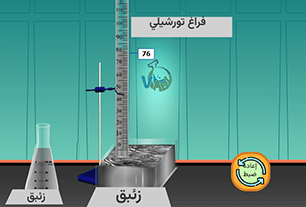
the goal:Determine the value of atmospheric pressure using a mercury barometer.Materials and tools:t......
Physics
the goal:Determine the value of atmospheric pressure using a mercury barometer.Materials and tools:tube 90 cm - basin - mercury - glass plate - holderSteps:1) Fill the test tube and the glass bowl with mercury.2) Drop the test tube in the pelvis and note what happens. Note:The drop in the level......
Calculating the instantaneous induced electromotive force in the generator coil during a full cycleK......
Science
Calculating the instantaneous induced electromotive force in the generator coil during a full cycleKeywords (English): mammals – warmth – insulation – fur – body fat
Keywords: Molar volume – Avogadro’s number – Gases – Ideal gas law – Measurement
Physics
Keywords: Molar volume – Avogadro’s number – Gases – Ideal gas law – Measurement
the goal:Learning how to prepare ester.Materials and tools: Electric heater - Glass cup - Test......
Chemistry
the goal:Learning how to prepare ester.Materials and tools: Electric heater - Glass cup - Test tube - Salicylic acid - Methanol - Sulfuric acid - Cotton - SpoonSteps:1. Fill the glass with water and heat it on the electric heater to the mid-level temperature.2. Weigh 1.5 grams of salicylic acid......
The effect of speed in collisionKeywords (English): speed effect – collision – impact – momentum
Science
The effect of speed in collisionKeywords (English): speed effect – collision – impact – momentum
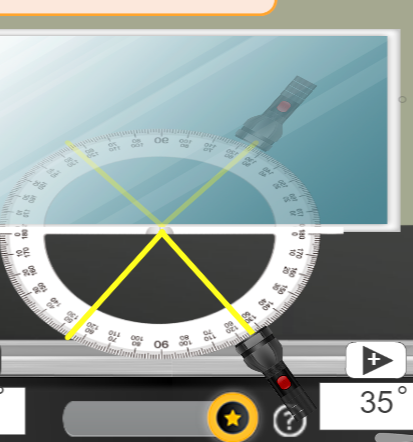
Keywords: Light reflection – Angle of incidence – Angle of reflection – Mirrors
Science
Keywords: Light reflection – Angle of incidence – Angle of reflection – Mirrors
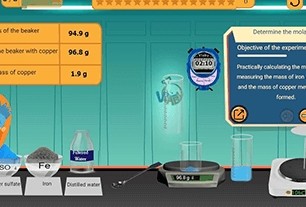
Determine the molar ratiomole ratio – moles – stoichiometry – chemical reaction
Chemistry
Determine the molar ratiomole ratio – moles – stoichiometry – chemical reaction
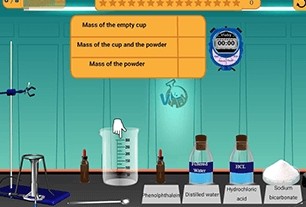
Formation of SaltKeywords (English): salt formation – ionic reaction – crystallization
Earth’s Water
Formation of SaltKeywords (English): salt formation – ionic reaction – crystallization
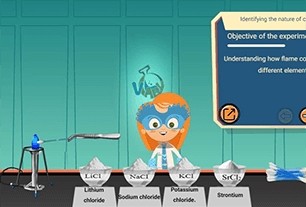
Keywords: Compounds – Elements – Bonds – Chemical reaction – Formulas
Science
Keywords: Compounds – Elements – Bonds – Chemical reaction – Formulas
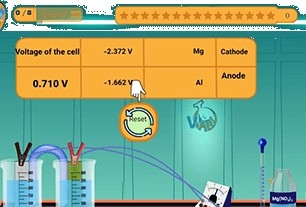
Keywords: Galvanic cell – Cell voltage – Electrodes – Electrons – Voltage
Chemistry
Keywords: Galvanic cell – Cell voltage – Electrodes – Electrons – Voltage
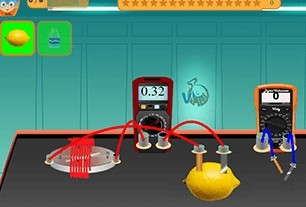
Keywords: Lemon battery – Chemical reaction – Electrodes – Voltage – Electricity
Chemistry
Keywords: Lemon battery – Chemical reaction – Electrodes – Voltage – Electricity
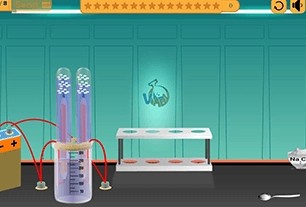
Investigation of the process of electrolysis of waterelectrolysis of water – oxygen – hydrogen – ele......
Science
Investigation of the process of electrolysis of waterelectrolysis of water – oxygen – hydrogen – electric current
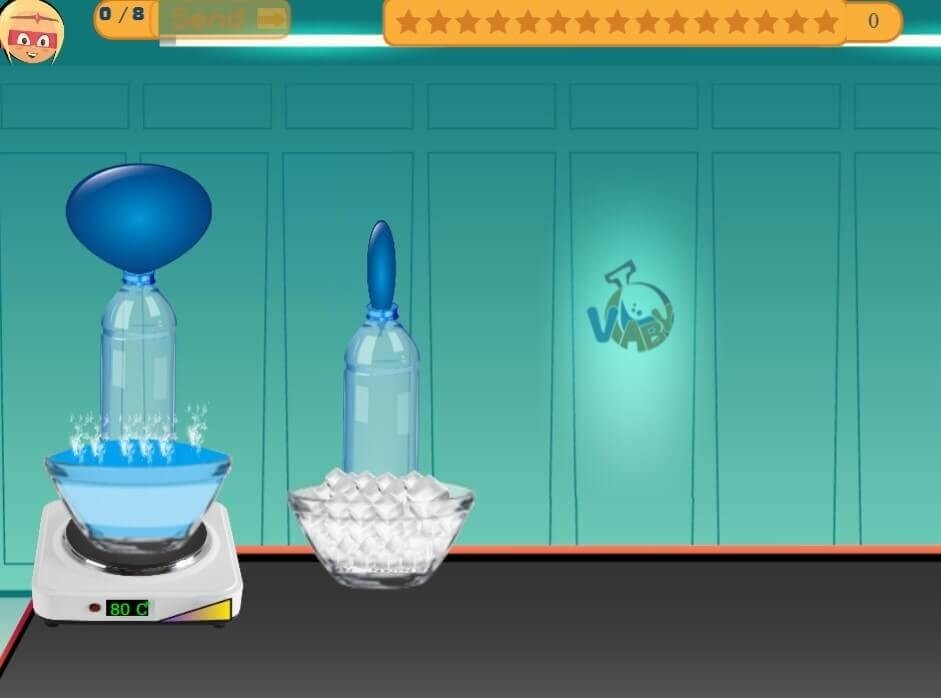
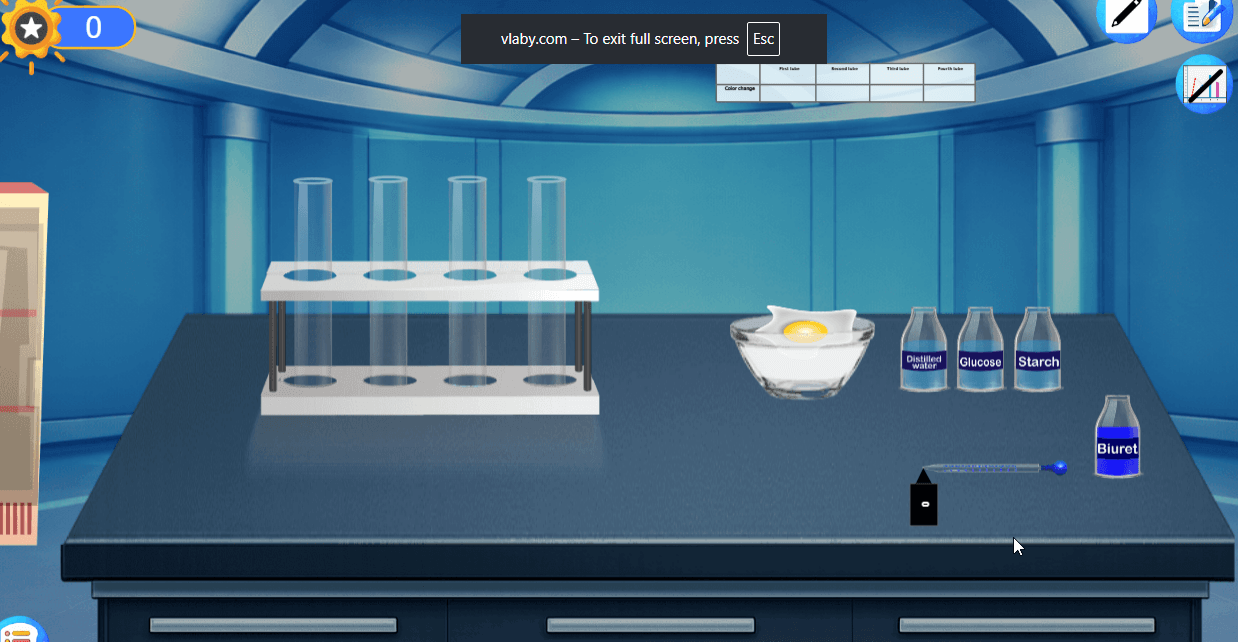
Objective: To detect the presence of proteins in a sample using the Biuret reagentMaterials: Test tu......
Biology
Objective: To detect the presence of proteins in a sample using the Biuret reagentMaterials: Test tubes _ Test tube rack _ Egg white _ Glucose solution _ Starch solution _ Distilled water _ Biuret reagent _ DropperSteps: Prepare 4 test tubes and place in each one: egg white, glucose, starch, or dist......
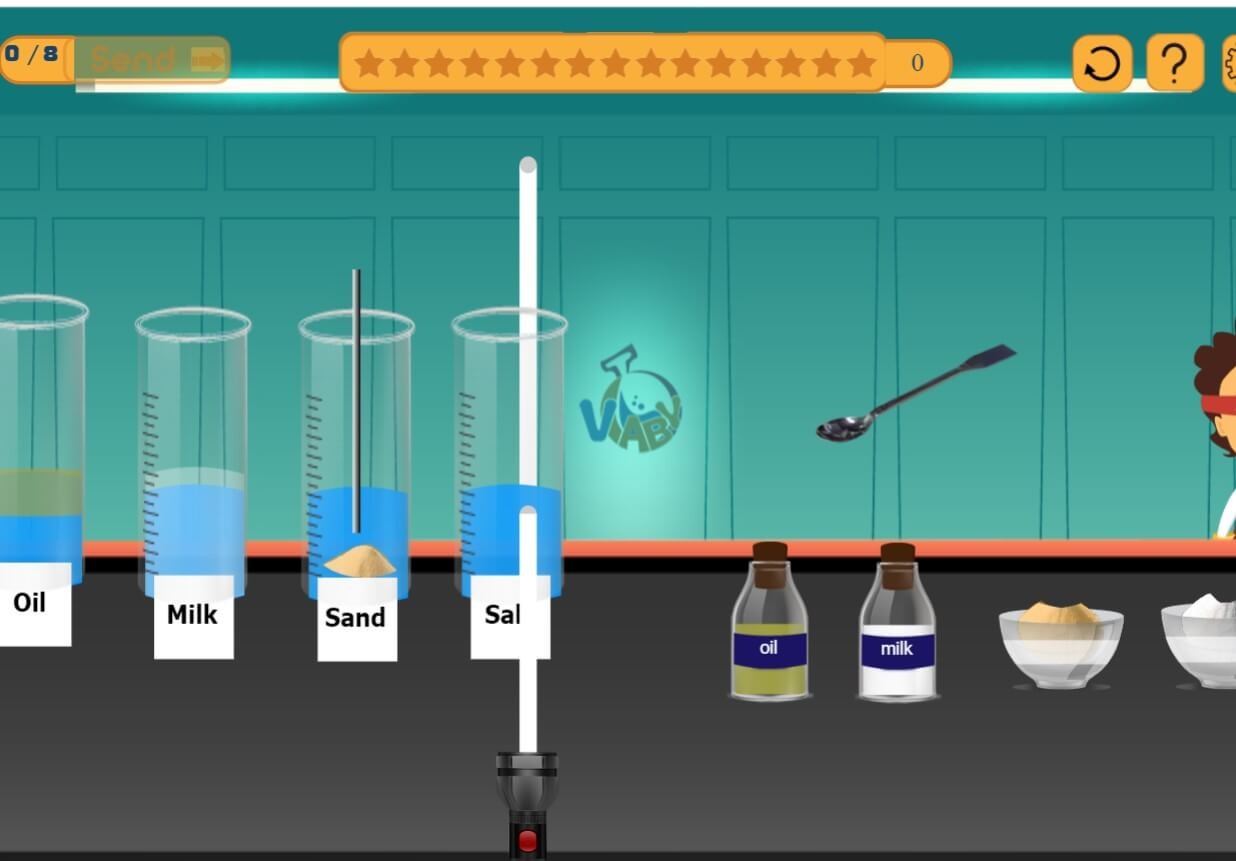
Keywords: Homogeneous mixtures – Heterogeneous mixtures – Solutions – Suspensions – Colloids
Science
Keywords: Homogeneous mixtures – Heterogeneous mixtures – Solutions – Suspensions – Colloids
Investigation of factors affecting solubilitysolubility – temperature effect – stirring – surface a......
Chemistry
Investigation of factors affecting solubilitysolubility – temperature effect – stirring – surface area – type of solute – dissolving rate
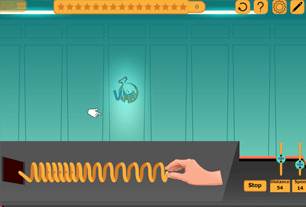
Keywords: Waves – Spring – Vibration – Energy – Propagation
Physics
Keywords: Waves – Spring – Vibration – Energy – Propagation
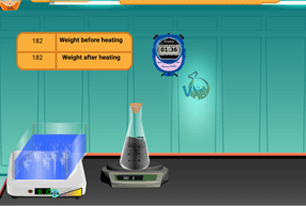
the goal:Draw a conclusion about the Law of Conservation of Mass.Materials and tools:Wire crucible -......
Science
the goal:Draw a conclusion about the Law of Conservation of Mass.Materials and tools:Wire crucible - Test tube - Balloon - Sensitive scale - Heater - Hot water bath - Test tube holder - Stopwatch - TissuesSteps:1. Place a piece of wire crucible in a medium-sized test tube.2. Attach the balloon nozzl......
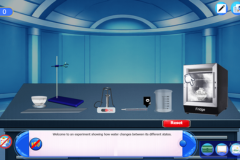
Three states of matterThis experiment shows how water changes between its three states due to temper......
Science
Three states of matterThis experiment shows how water changes between its three states due to temperature. Ice melts when heated to become liquid water, then turns into vapor with continued heating. When the vapor touches a cold surface, it condenses back into water droplets.states of matter – solid......
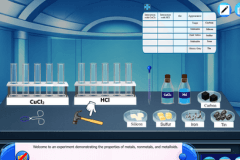
Metals and non-metalsmetals – nonmetals – conductivity – luster – hardness – matter
Science
Metals and non-metalsmetals – nonmetals – conductivity – luster – hardness – matter
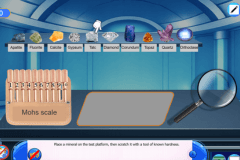
What makes rocks different from one another? rocks – minerals – color – hardness – texture –......
Science
What makes rocks different from one another? rocks – minerals – color – hardness – texture – geology
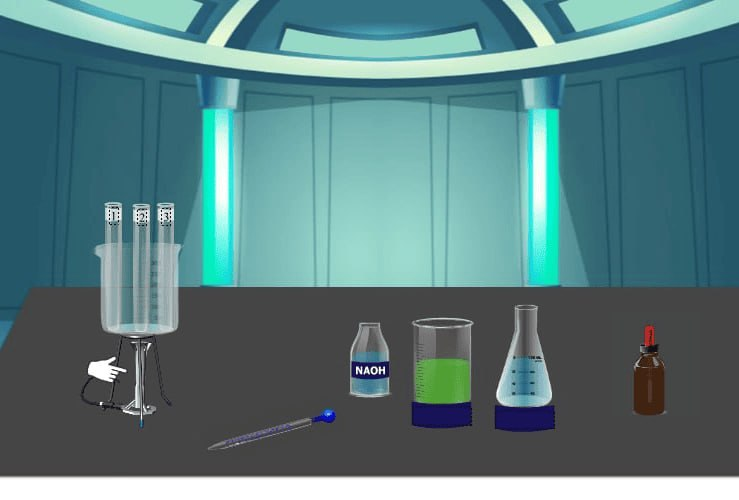
Fat Digestion Investigationfat digestion – lipase – bile – emulsification – digestive system
biology
Fat Digestion Investigationfat digestion – lipase – bile – emulsification – digestive system
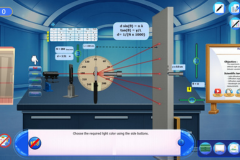
Wavelength measurement wavelength – waves – frequency – vibration – wave speed – wave physics
Physics
Wavelength measurement wavelength – waves – frequency – vibration – wave speed – wave physics
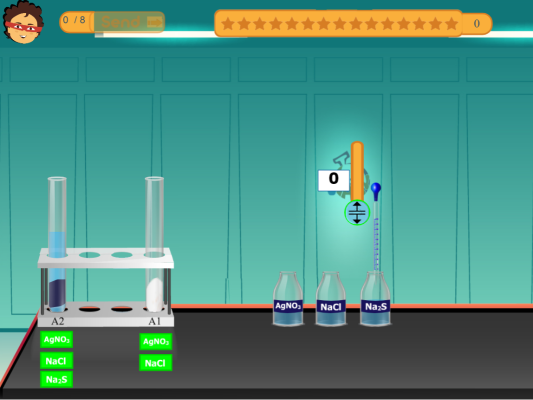
Keywords: Solubility product – Sparingly soluble salts – Equilibrium – Solutions – Comparison
Chemistry
Keywords: Solubility product – Sparingly soluble salts – Equilibrium – Solutions – Comparison
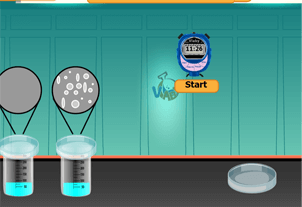
How raindrops are formedKeywords (English): rain formation – condensation – clouds – water cycle
Science
How raindrops are formedKeywords (English): rain formation – condensation – clouds – water cycle
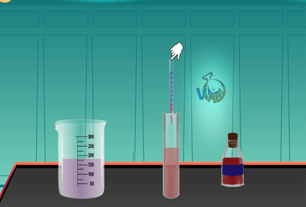
Keywords: Equilibrium – Equal forces – Rest – Uniform motion
Chemistry
Keywords: Equilibrium – Equal forces – Rest – Uniform motion
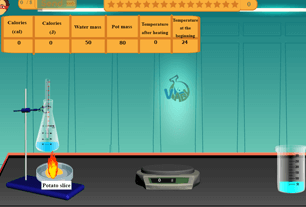
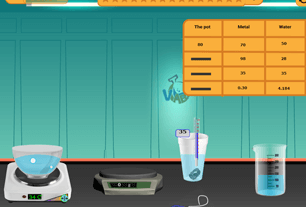
Keywords: Specific heat – Thermal energy – Mass – Temperature
Chemistry
Keywords: Specific heat – Thermal energy – Mass – Temperature
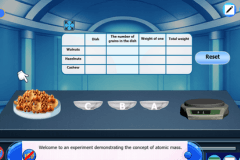
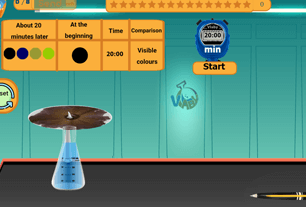
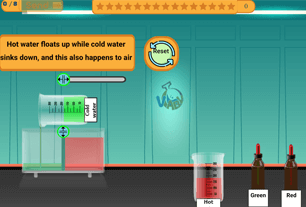
Keywords: Air masses – Fronts – Temperature – Weather – Winds
Science
Keywords: Air masses – Fronts – Temperature – Weather – Winds

Investigating Light RefractionKeywords (English): light refraction – medium – angle – optical dens......
Physics
Investigating Light RefractionKeywords (English): light refraction – medium – angle – optical density
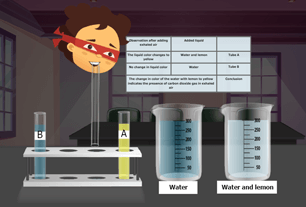
Keywords: Exhalation – Carbon dioxide – Limewater – Respiration
biology
Keywords: Exhalation – Carbon dioxide – Limewater – Respiration
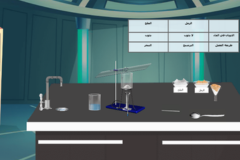
Keywords: Mixtures – Separation – Filtration – Liquid – Solid
Science
Keywords: Mixtures – Separation – Filtration – Liquid – Solid

Keywords: Red cabbage – Color indicator – pH – Acids – Bases
Science
Keywords: Red cabbage – Color indicator – pH – Acids – Bases
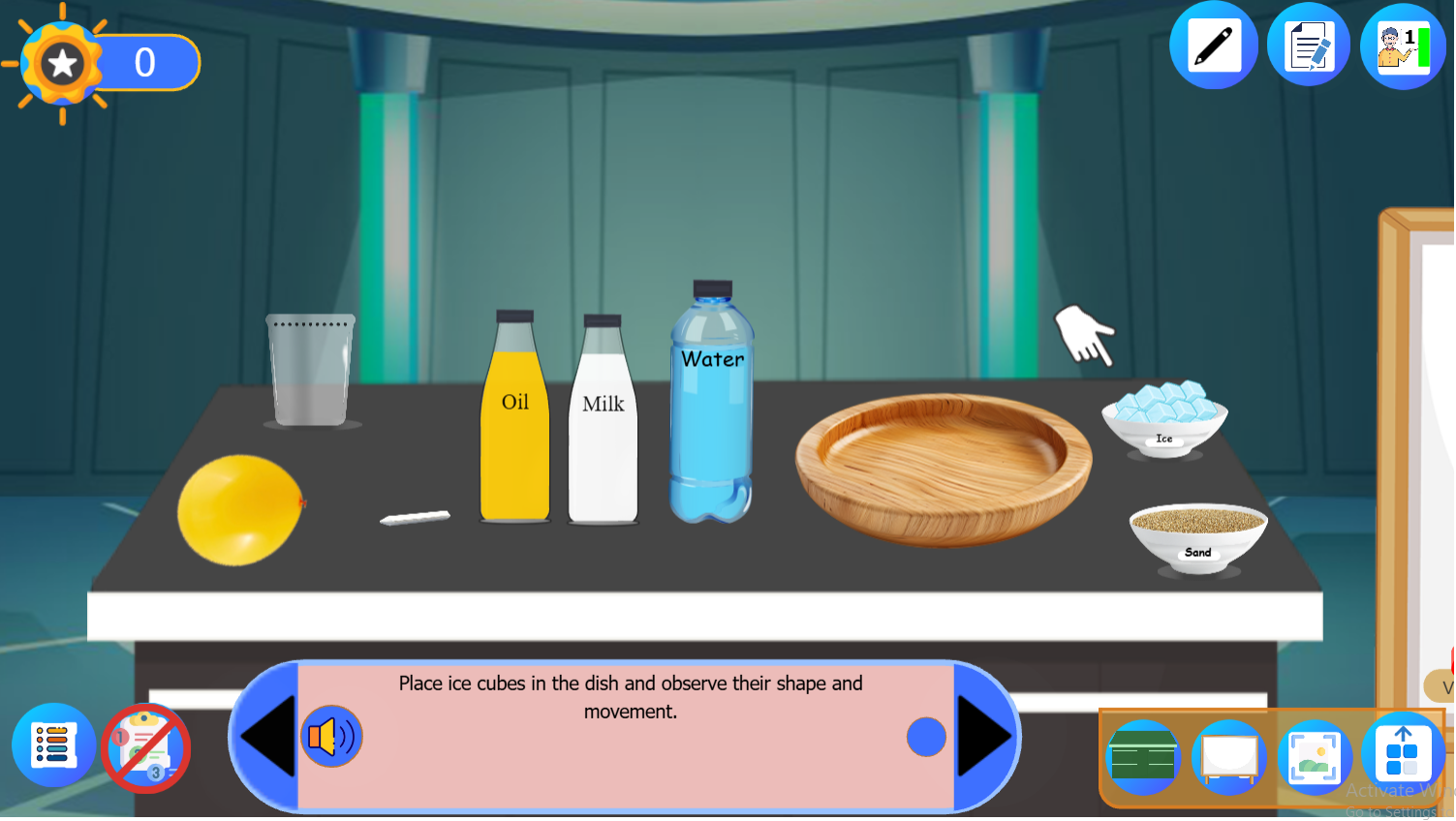
Keywords: States of matter – Shape – Flow – Solid – Liquid – Gas
Science
Keywords: States of matter – Shape – Flow – Solid – Liquid – Gas
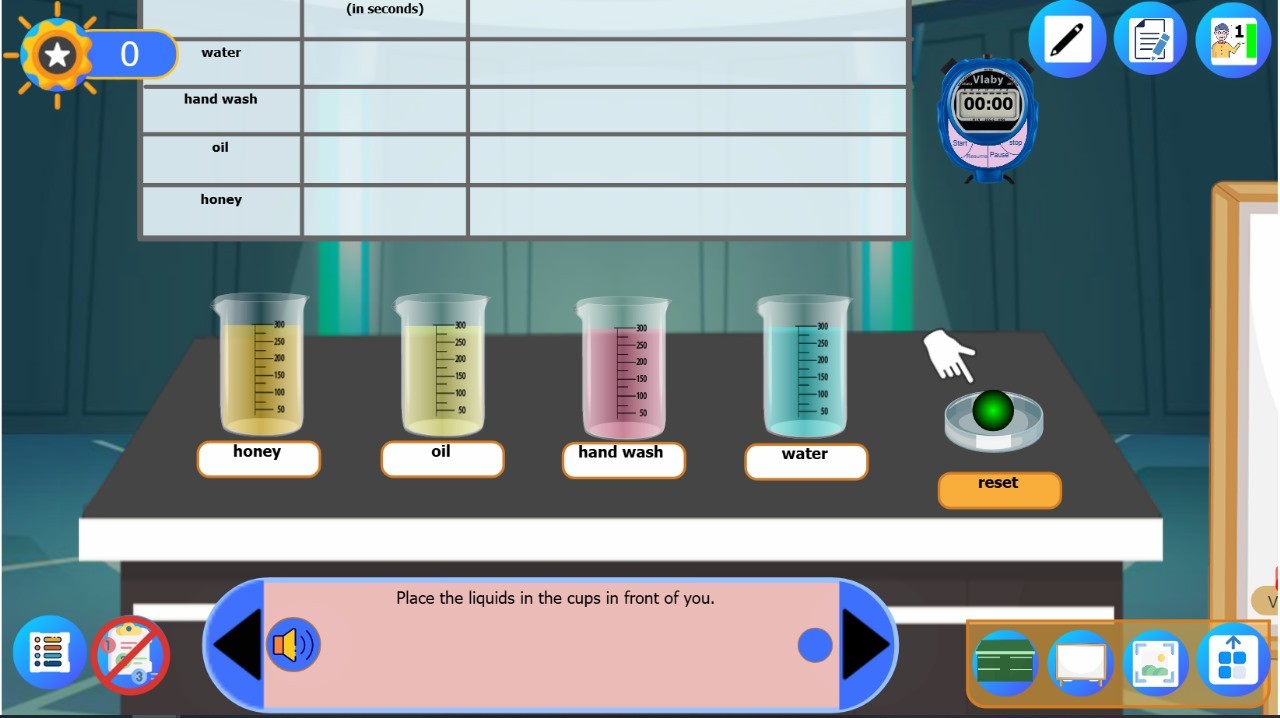
Keywords: Viscosity – Liquids – Motion – Falling – Resistance
Science
Keywords: Viscosity – Liquids – Motion – Falling – Resistance
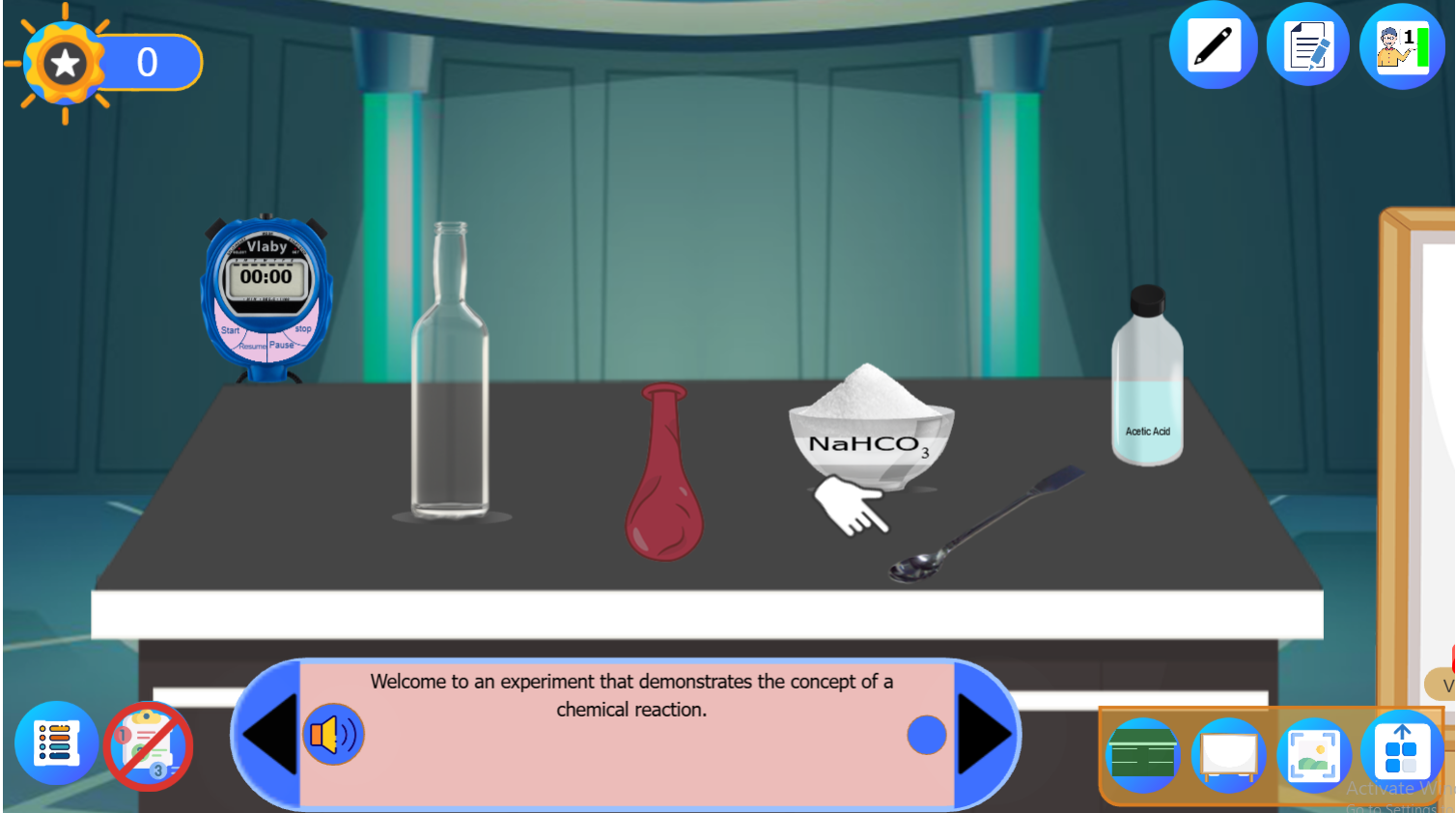
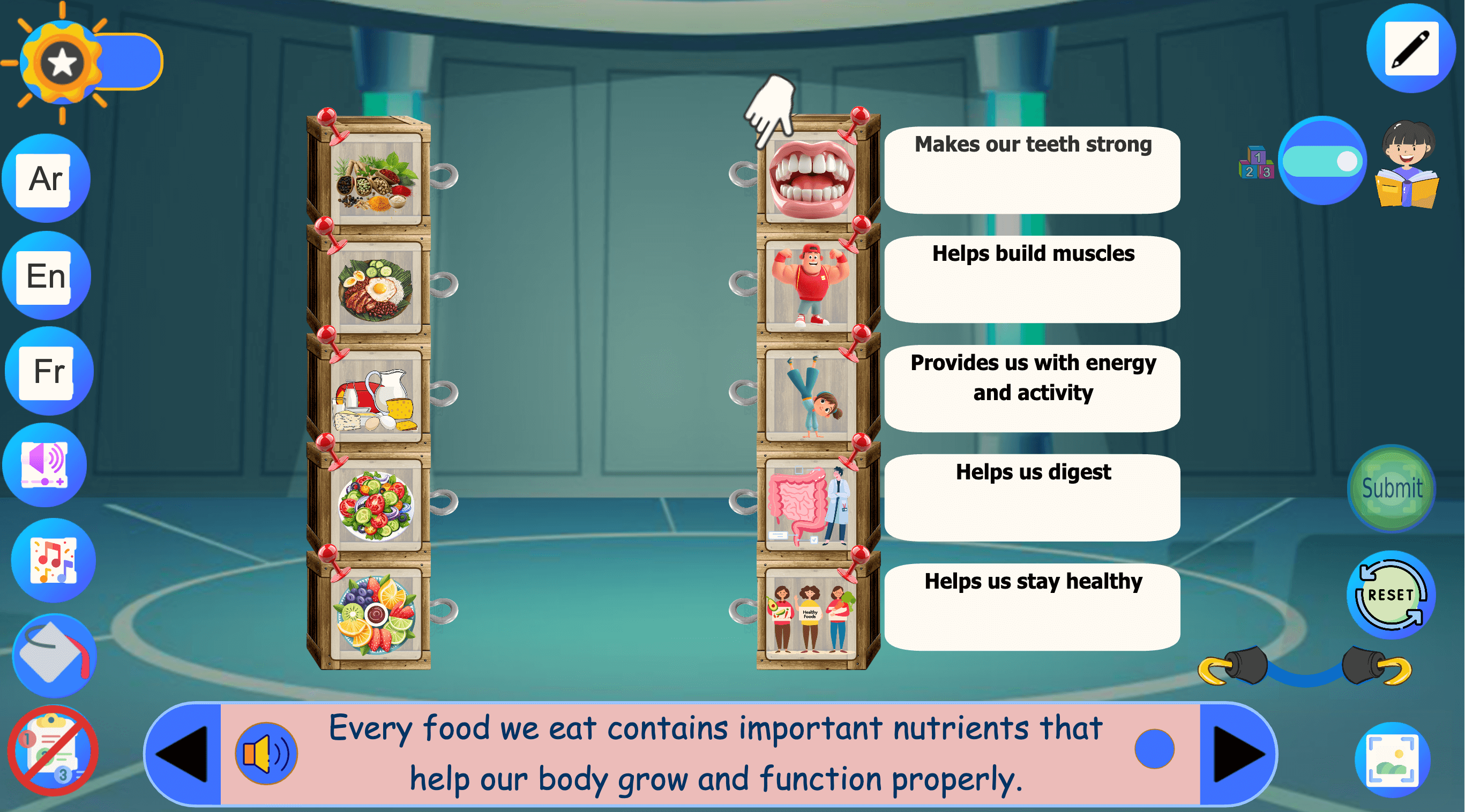
Keywords: Nutrients – Vitamins – Proteins – Carbohydrates – Food sources
Discover
Keywords: Nutrients – Vitamins – Proteins – Carbohydrates – Food sources
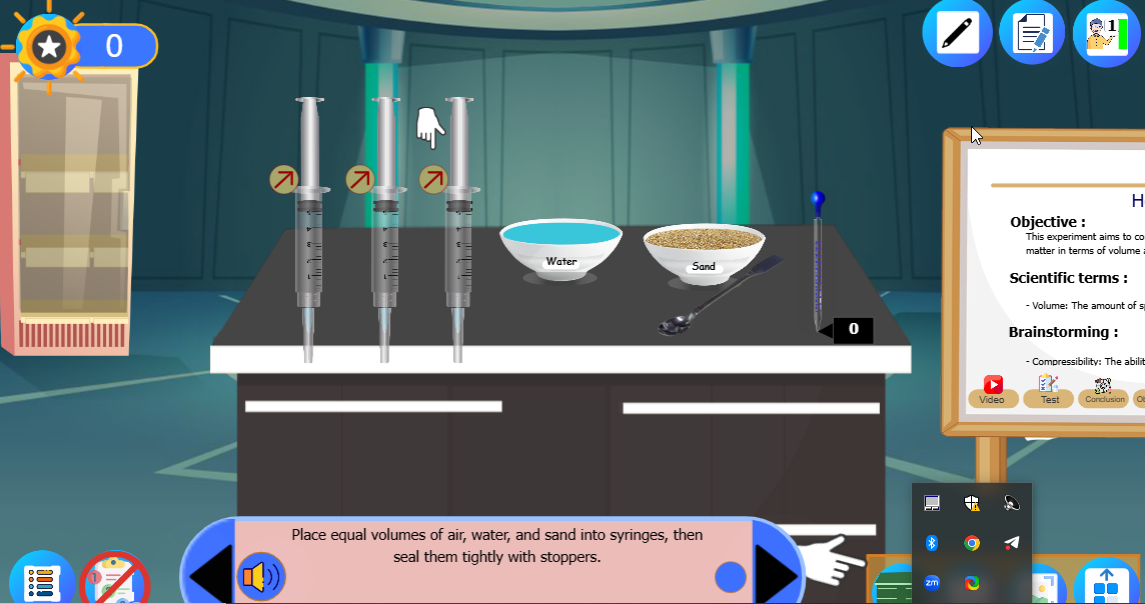
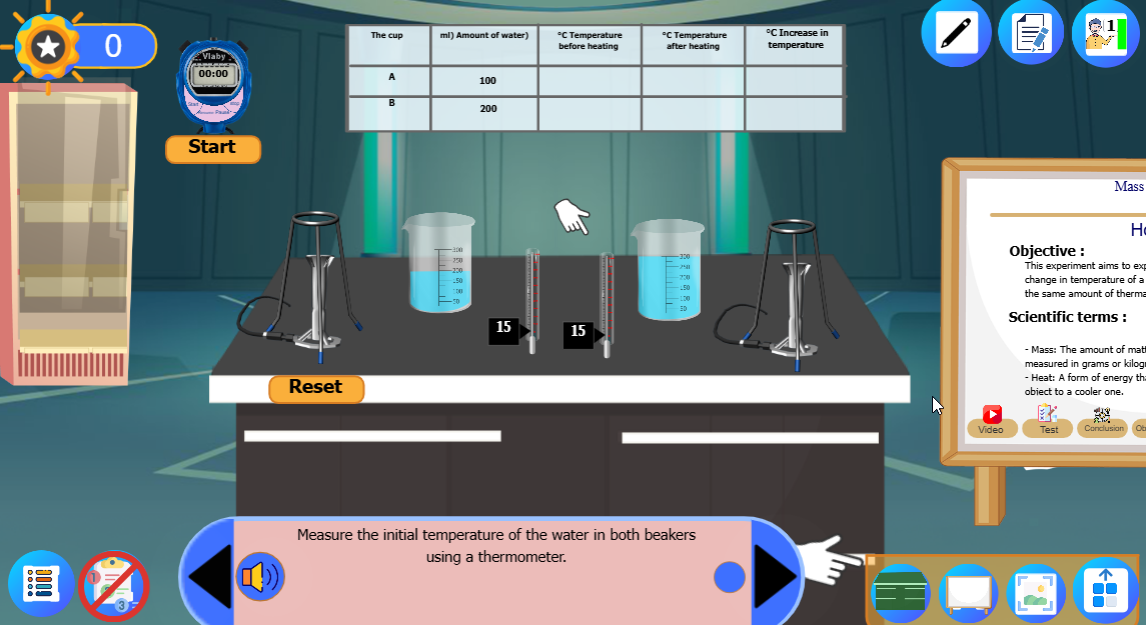
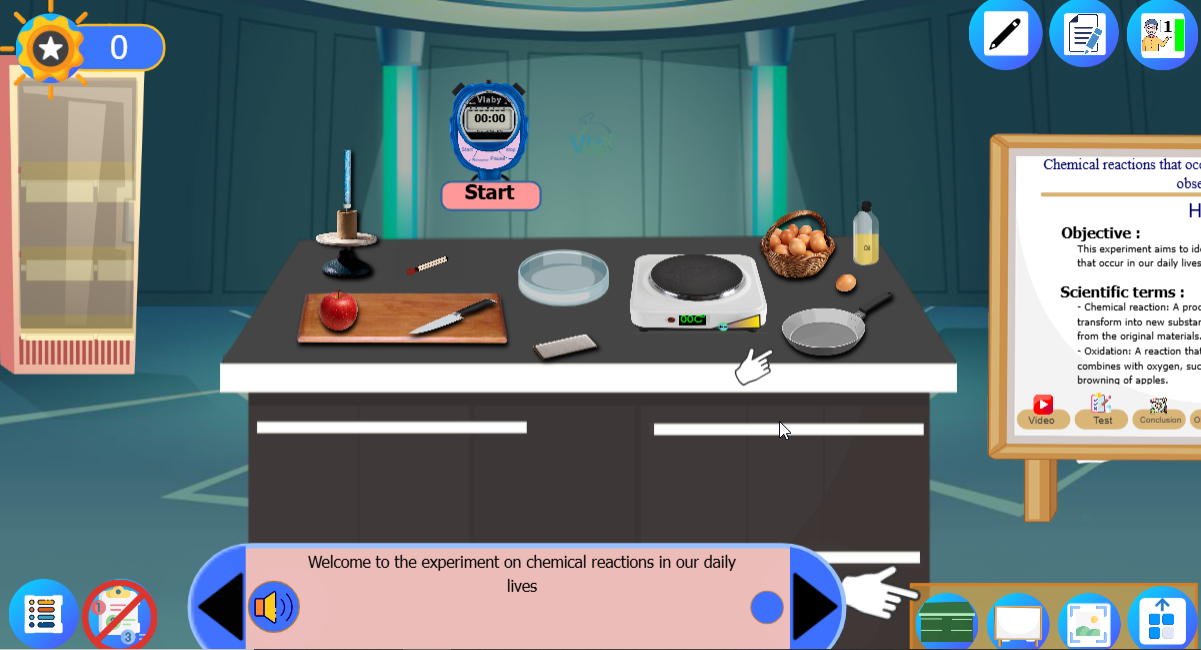
Keywords: Chemical reactions – Daily life – Change – Energy
Science
Keywords: Chemical reactions – Daily life – Change – Energy
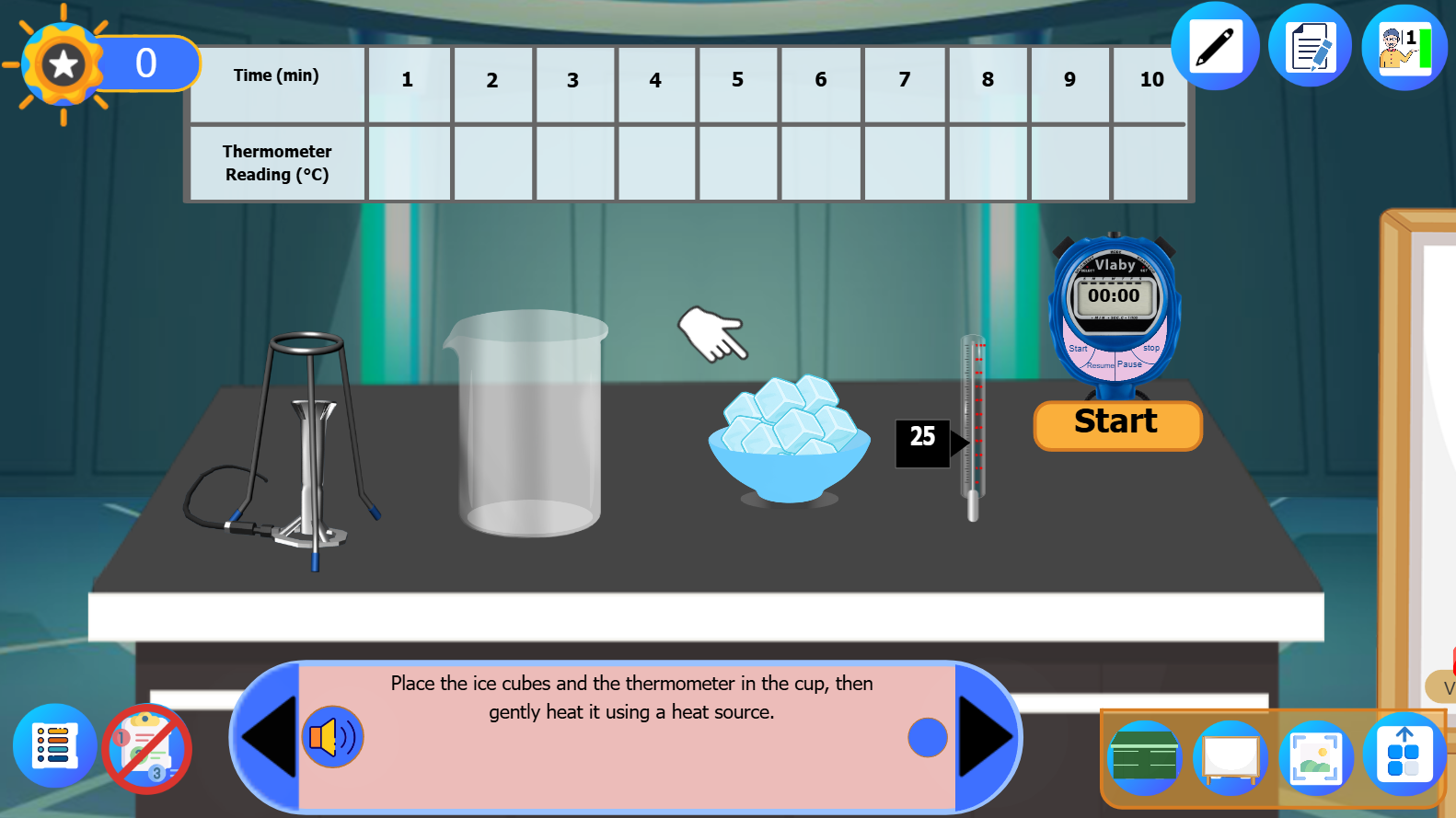
Keywords: Physical state change – Melting – Freezing – Evaporation – Condensation
Science
Keywords: Physical state change – Melting – Freezing – Evaporation – Condensation
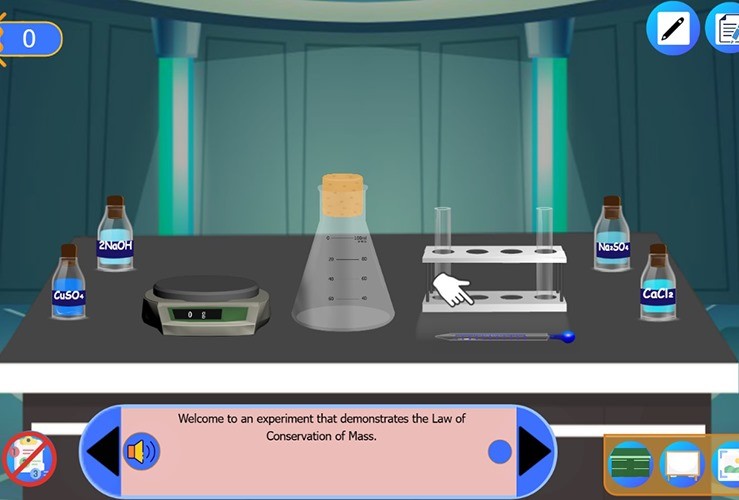
Keywords: Law of Conservation of Mass – Chemical reaction – Reactants – Products – Mass
Science
Keywords: Law of Conservation of Mass – Chemical reaction – Reactants – Products – Mass

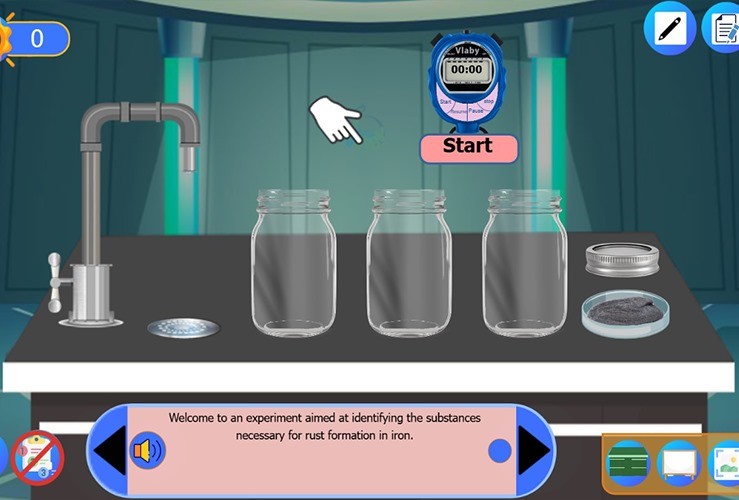
Objective: To identify the essential materials required for rust formation in ironMaterials: Steel w......
Materials
Objective: To identify the essential materials required for rust formation in ironMaterials: Steel wool – glass containers – lidProcedure: Place a piece of steel wool in each container and label them (1, 2, 3) In container 1, add a small amount of water to cover part of the steel wool and leave it u......
Materials: Properties and Changes
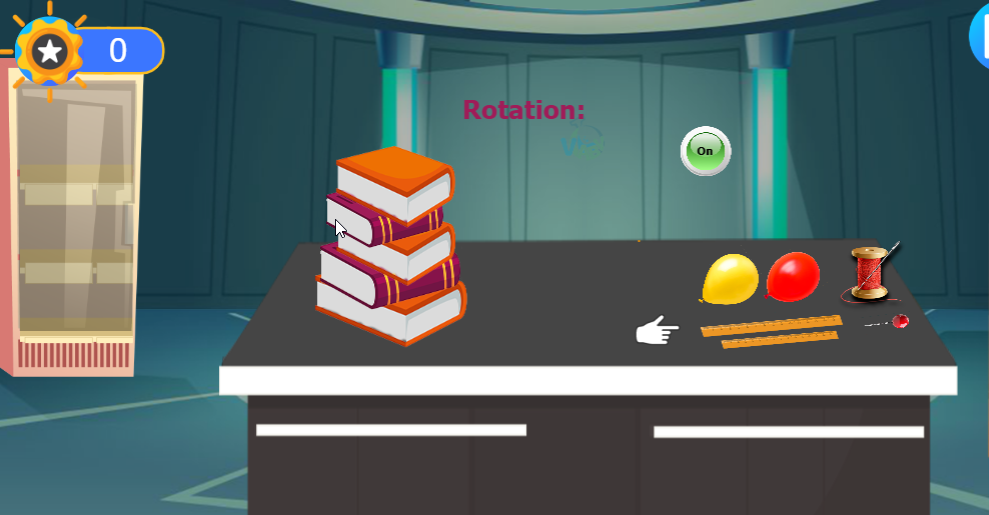
Objective: To prove that gases have volume and occupy spaceMaterials: Two equal balloons – two ruler......
Materials: Properties and Changes
Objective: To prove that gases have volume and occupy spaceMaterials: Two equal balloons – two rulers – 15 cm strings – a heavy book – adhesive tape – clips – scissorsSteps: Inflate both balloons to the same size and tie them tightly Cut three pieces of string Tie both balloons to one ruler evenly o......
Objective: To study the effect of heating on the temperature of water and observe the changes in its......
Biology
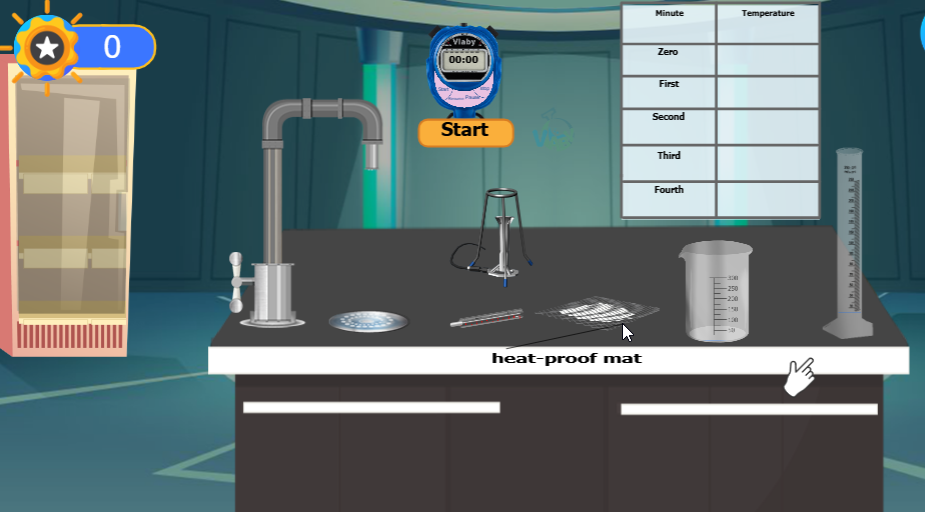
Objective: To study the effect of heating on the temperature of water and observe the changes in its physical state (from liquid to vapor) during boiling.Materials: Beaker – Thermometer – Bunsen burner – Tripod stand – Wire gauze – Graduated cylinder – Clamp stand – Heat-resistant base.Steps:Measure......
Objective: To investigate the relationship between the amount of transferred thermal energy and the......
Properties of materials
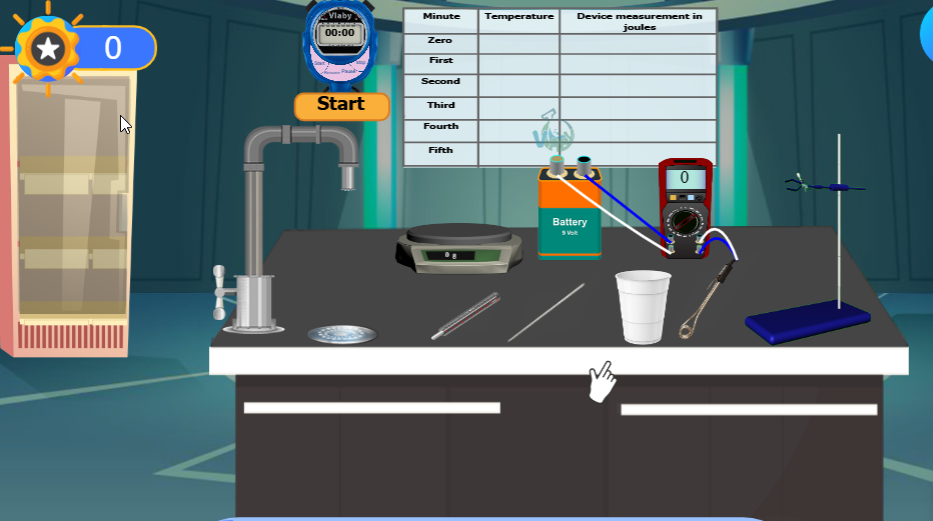
Objective: To investigate the relationship between the amount of transferred thermal energy and the temperature of waterMaterials: Polystyrene cup – immersion heater – thermometer – electronic balance – joule meter – stopwatch – metal stand – stirring rodProcedure: Measure the mass of water in the p......
States and properties of matter
Objective: To observe and identify the boiling point of waterMaterials: Glass beaker – water – therm......
States and properties of matter
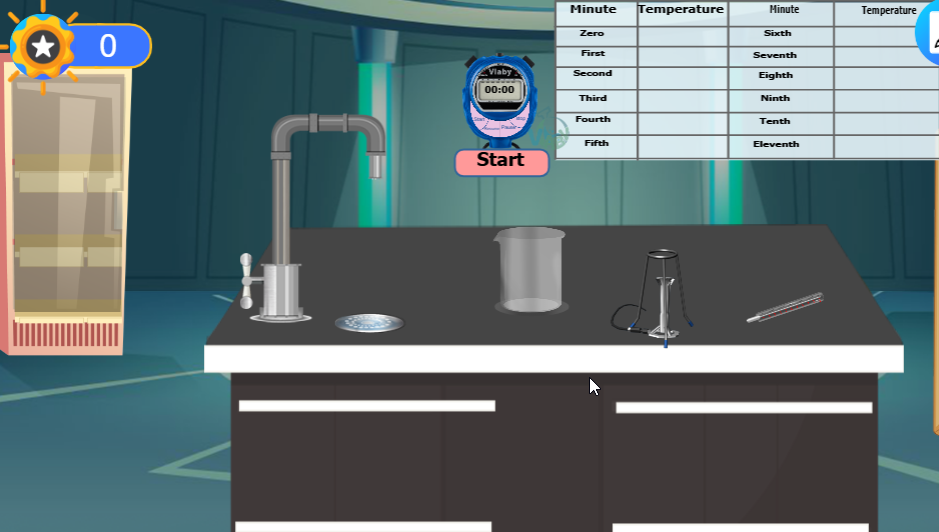
Objective: To observe and identify the boiling point of waterMaterials: Glass beaker – water – thermometer – electric heaterProcedure: Pour a quantity of water into the glass beaker Place the beaker on the electric heater Insert the thermometer into the water and wait two minutes before starting to......
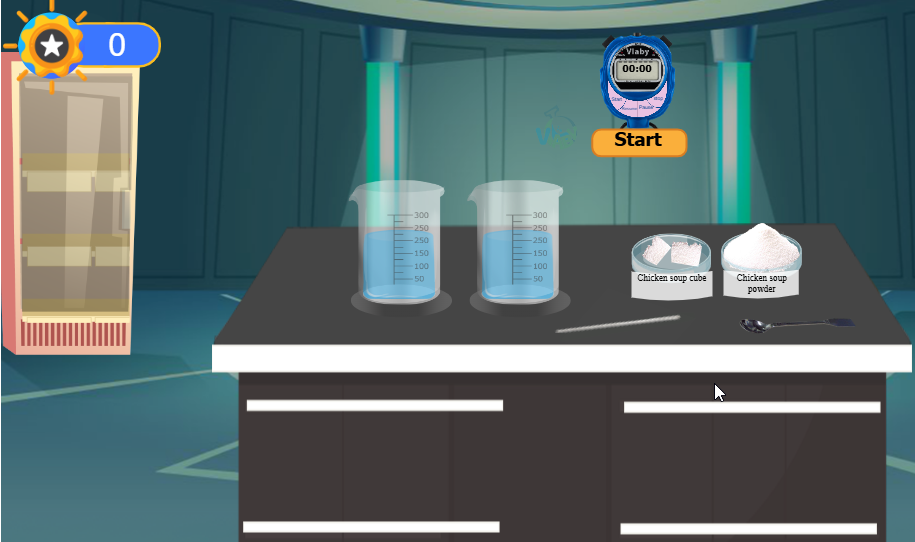
Objective: To identify the effect of particle size on the rate of dissolution in water.Materials: Tw......
Science
Objective: To identify the effect of particle size on the rate of dissolution in water.Materials: Two glass cups – chicken soup cube – powdered chicken soup – spoon – waterProcedure: Pour an equal volume of water into each glass. Place the soup cube in the first glass. Place the powdered soup in the......
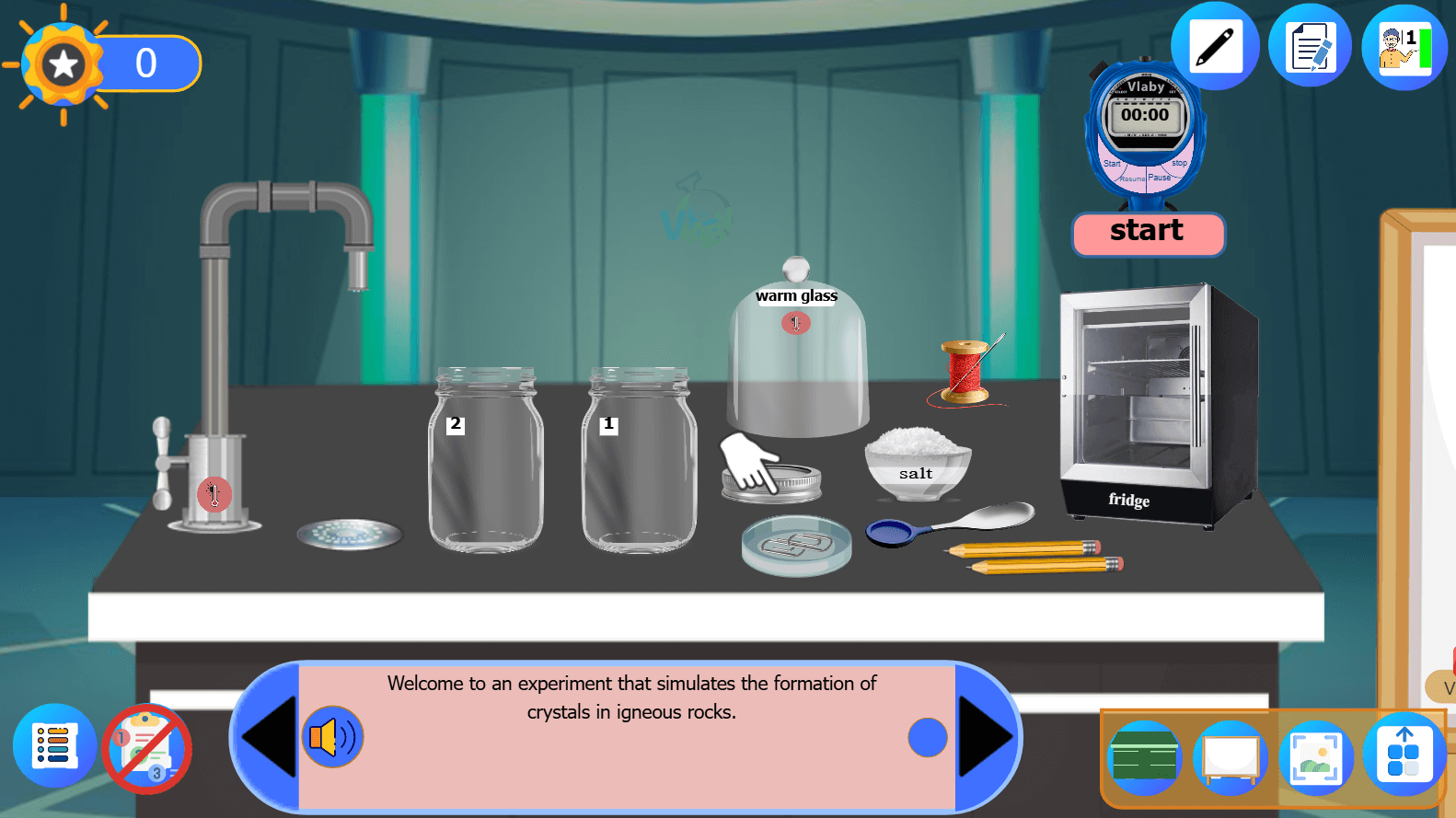
Rocks, the Rock Cycle and Soil
Objective To simulate the formation of crystals in igneous rocks and study the factors affecting the......
Rocks, the Rock Cycle and Soil
Objective To simulate the formation of crystals in igneous rocks and study the factors affecting the size and speed of crystal formation.Materials Two glass containers _ paper clips _ pencils _ thread _ coarse salt _ hot water _ teaspoonSteps Tie a paper clip to the end of each thread Fill both cont......
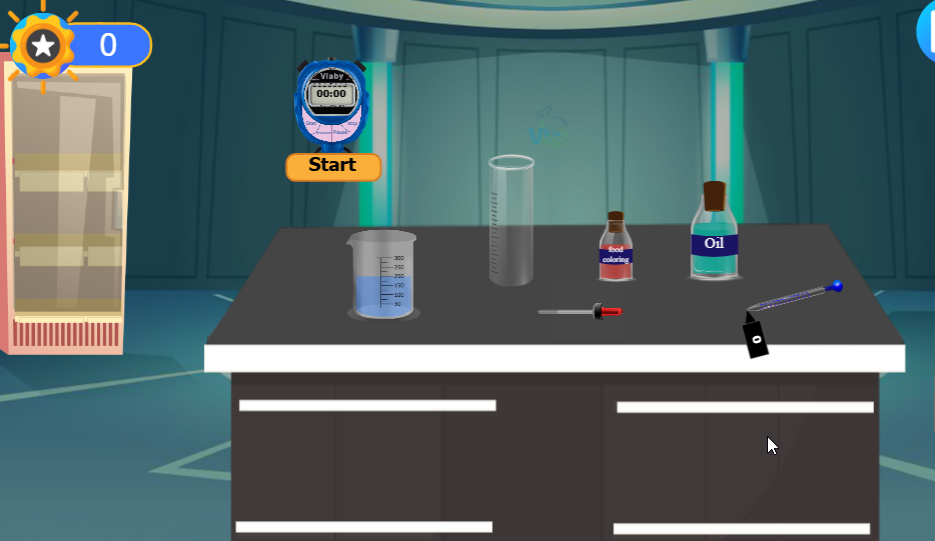
Objective: To investigate how water, oil, and food coloring interact and observe whether the substan......
Science
Objective: To investigate how water, oil, and food coloring interact and observe whether the substances mix or remain separate.Materials: Test tube – water – vegetable oil – food coloringProcedure: Pour some water into the test tube. Add some vegetable oil slowly into the test tube. Add two drops of......
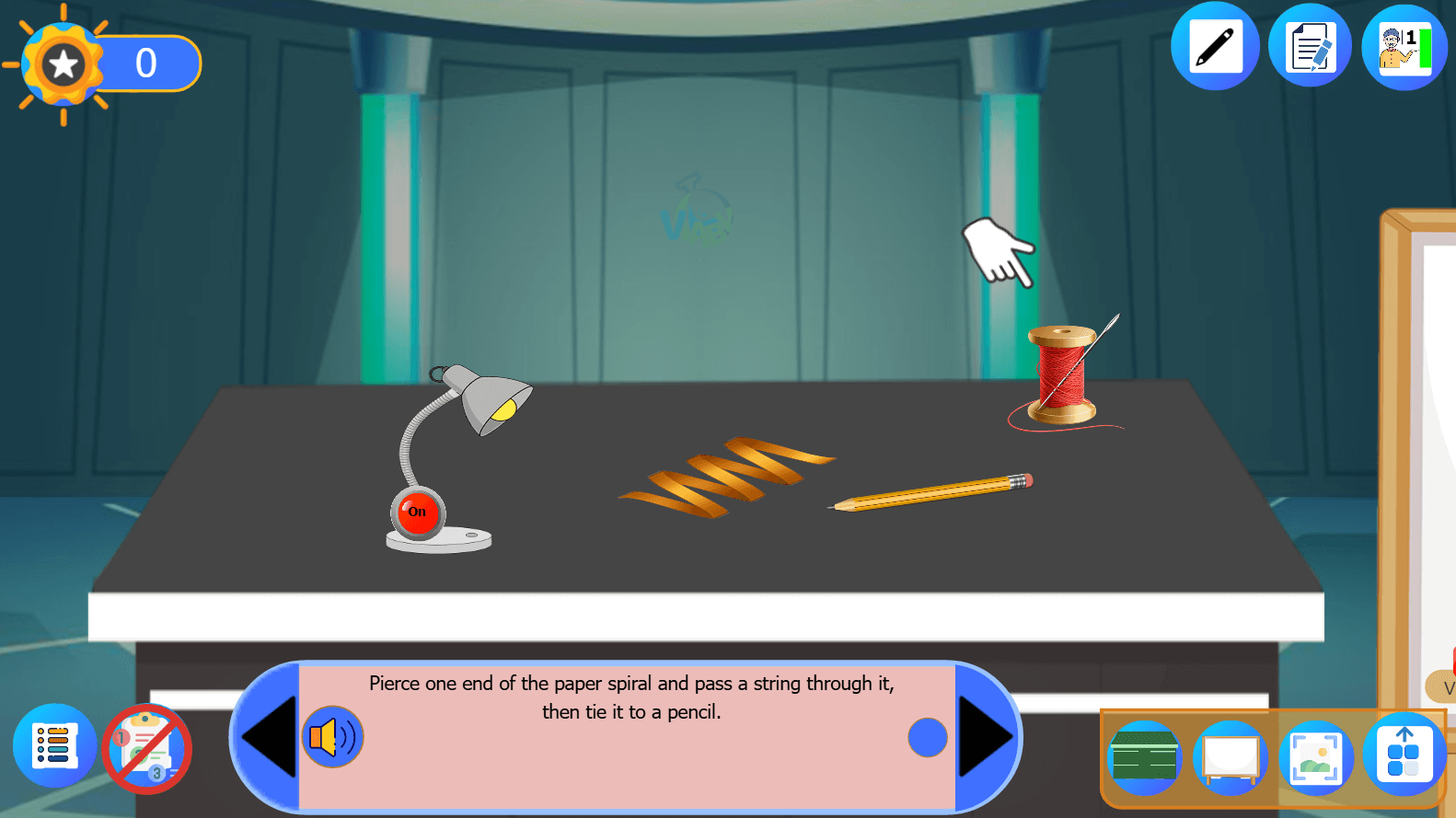
Objective: To investigate the transfer of energy from one form to another.Materials: Desk lamp – Pap......
Energy
Objective: To investigate the transfer of energy from one form to another.Materials: Desk lamp – Paper spiral – Thin thread – Pencil.Procedure: Use the pencil to make a small hole in one end of the paper spiral Pass the thread through the hole and tie a knot to fix the spiral Tie the other end of th......
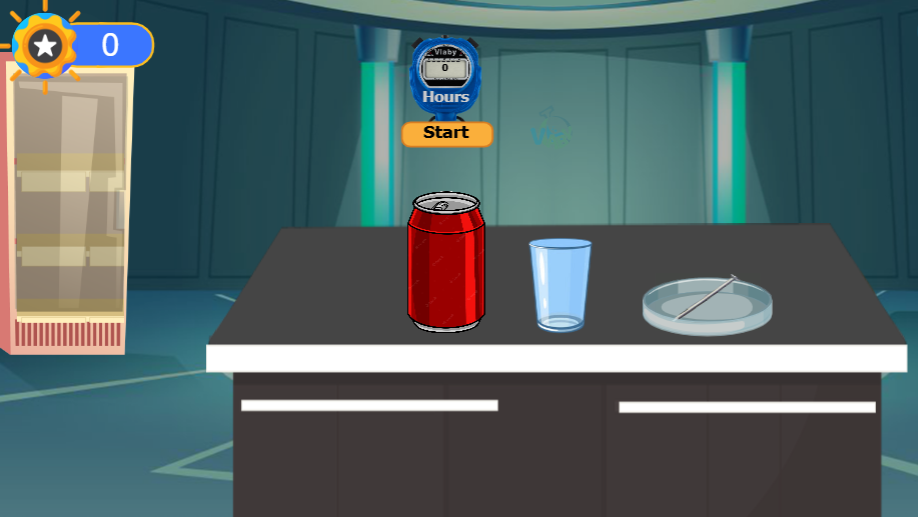
Objective: To investigate the effect of a soft drink on an iron nail and observe the changes that oc......
Science
Objective: To investigate the effect of a soft drink on an iron nail and observe the changes that occur over timeMaterials: Iron nail – glass cup – soft drinkSteps: Observe the appearance of the iron nail before starting the experiment Pour enough soft drink into the glass cup Drop the nail into the......
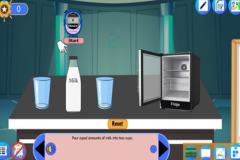
Objective: To identify the effect of temperature on chemical changes and observe milk spoilage when......
Science
Objective: To identify the effect of temperature on chemical changes and observe milk spoilage when left at room temperature.Materials: Small glass cup, equal amounts of milk.Steps: Pour equal amounts of milk into two small cups. Place the first cup in the refrigerator. Leave the second cup on a kit......
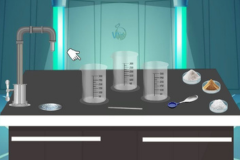
Objective: To identify materials that dissolve in water and materials that do not.Materials: Three t......
Chemical reactions
Objective: To identify materials that dissolve in water and materials that do not.Materials: Three transparent cups _ Water _ Salt _ Sugar _ Sand _ Stirring spoonSteps: Put some water in each cup. Add a small amount of salt, sugar, and sand to the three cups of water. Stir each cup using the spoon a......
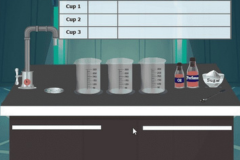
Objective: To understand the different properties of organic compounds (such as sugar, perfume, and......
Science
Objective: To understand the different properties of organic compounds (such as sugar, perfume, and oil) despite containing the same elements: carbon, hydrogen, and oxygen.Materials: Sugar _ Perfume _ Vegetable oil _ Glass cups _ Hot water _ SpoonSteps: Place a spoonful of each substance (sugar, per......
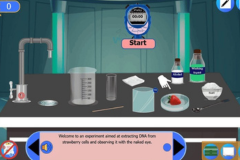
Objective: To extract DNA from strawberry cells and observe it with the naked eye.Materials: Ripe st......
Genes and heredity
Objective: To extract DNA from strawberry cells and observe it with the naked eye.Materials: Ripe strawberry _ Resealable plastic bag _ Dish soap _ Table salt _ Warm water _ Cheesecloth _ Glass cup _ Alcohol _ Wooden stickSteps: Place the strawberry in the plastic bag and mash it thoroughly. Mashing......
Keywords: Body parts – Body organs – Interactive model – Body structure – Simplified anatomy
Biology
Keywords: Body parts – Body organs – Interactive model – Body structure – Simplified anatomy
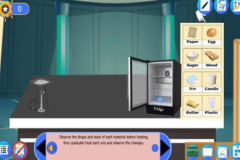
Objective: To distinguish between reversible and irreversible reactions.Materials: Candle – white pa......
Investigate Matter
Objective: To distinguish between reversible and irreversible reactions.Materials: Candle – white paper – egg – ice cubes – sugar – butter – heat source – heat-resistant container – tongs.Procedure: Observe each material before heating. Heat each material gradually and record the changes. Cool each......
Chemistry
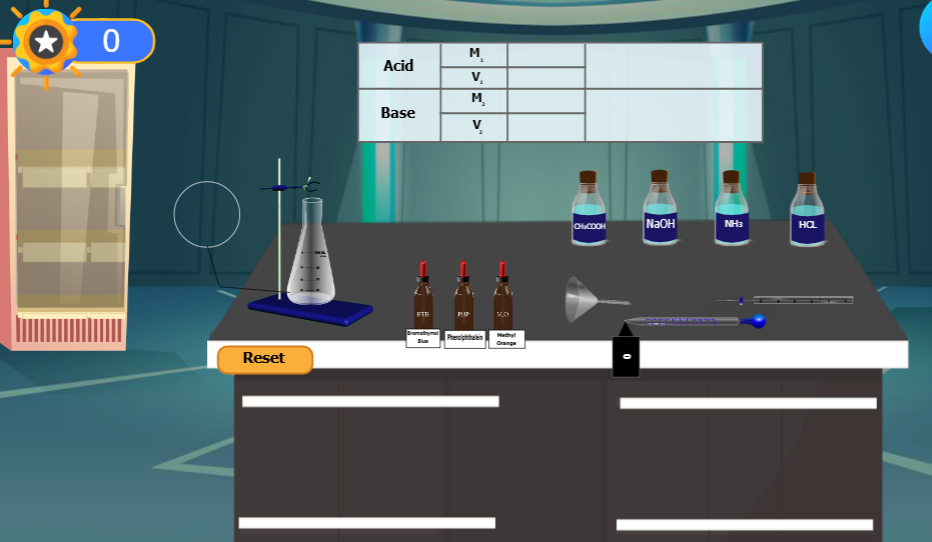
Objective To determine the concentration of an unknown solution through an acid-base reaction using the equivalence point.Tools Beaker – burette – burette stand – unknown acid or base solution – standard solution of known concentration – suitable indicator – graduated cylinderSteps Place a measured......
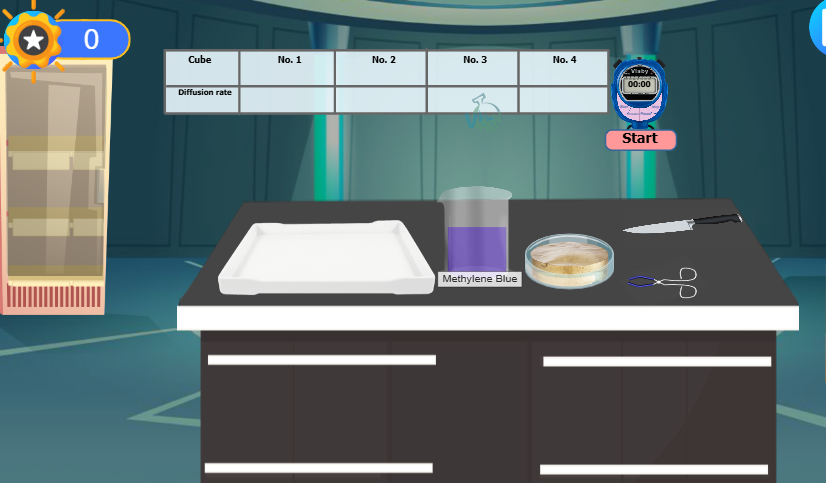
Objective To study the effect of cube size and surface area-to-volume ratio on the rate and depth of......
Forces Around Us
Objective To study the effect of cube size and surface area-to-volume ratio on the rate and depth of dye diffusion inside cubes.Tools Starch agar or gelatin block ≥ 3 cm thick – ruler and sharp knife – beaker with methylene blue or potassium permanganate solution – forcepsSteps Use the ruler and kni......
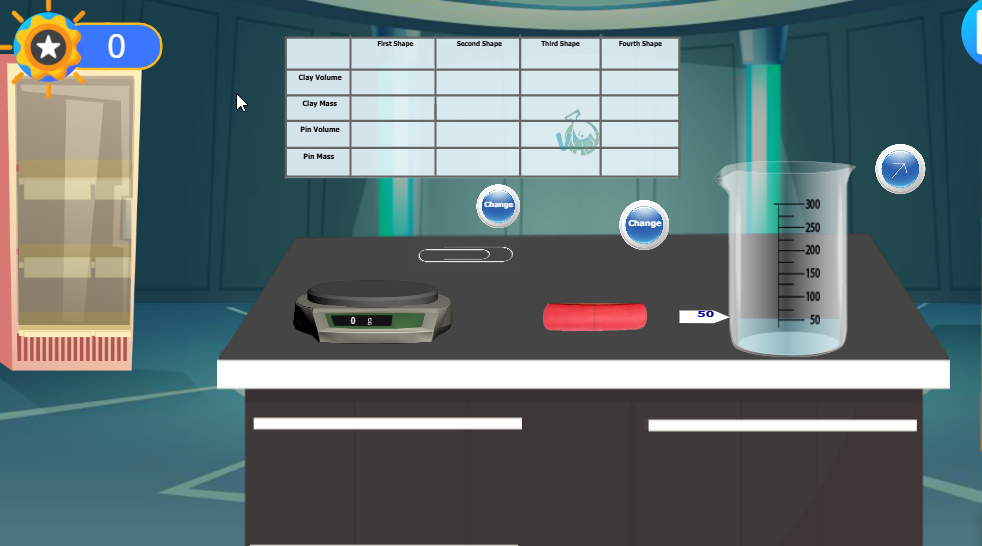
Objective To investigate the effect of changing the shape of a solid (such as clay) on its mass and......
Science
Objective To investigate the effect of changing the shape of a solid (such as clay) on its mass and volume.Tools Clay – double-pan balance – graduated cylinder – water – plastic knife – paper pinSteps Weigh a piece of clay using the balance. Determine the volume of the clay by placing it in a gradua......
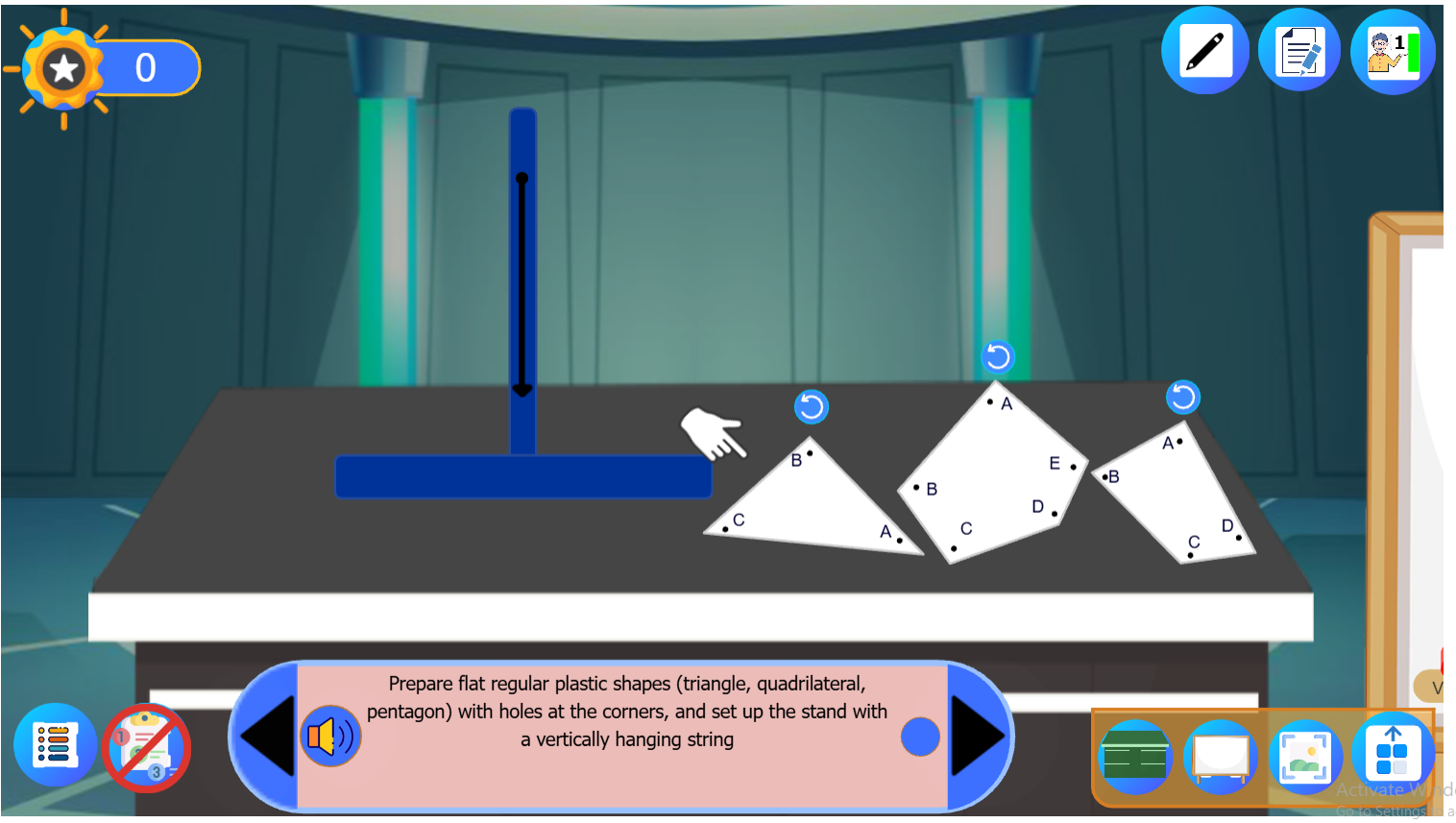
Objective: To determine the center of gravity of a regular-shaped object (such as a triangular lamin......
physics
Objective: To determine the center of gravity of a regular-shaped object (such as a triangular lamina) and to verify that the center of gravity lies at the intersection point of the vertical lines drawn using a plumb line.Materials: Regular flat lamina – a nail fixed in a base – plumb line (nylon th......
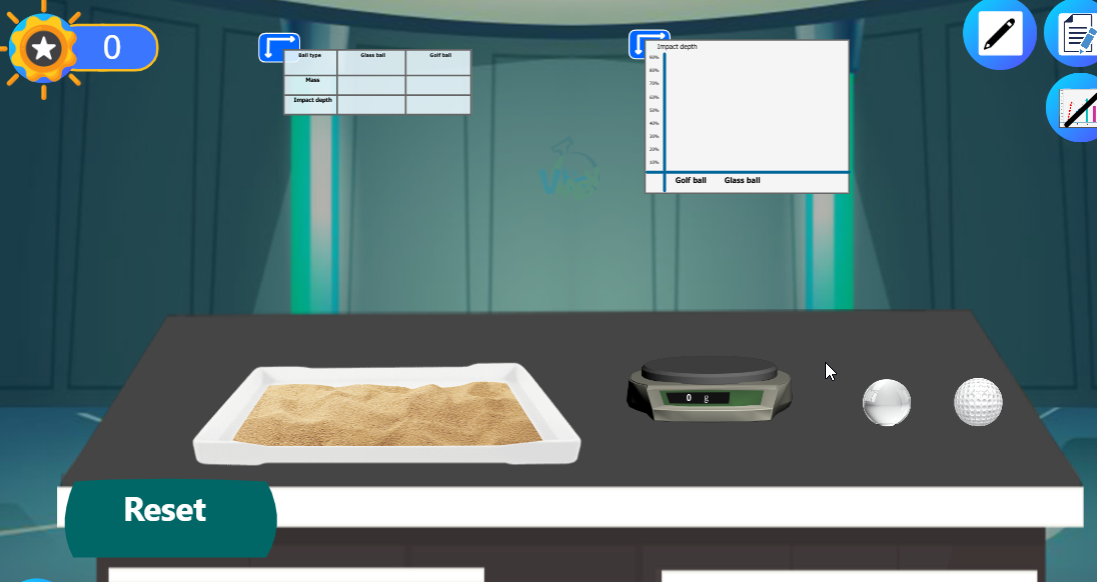
:Objective To compare the amount of energy possessed by two objects different in size and mass, and......
Energy and Motion
:Objective To compare the amount of energy possessed by two objects different in size and mass, and to study the effect of mass on the amount of transferred energy:Tools Golf ball • Large glass ball • Ruler • Balance • Container (tray) • Fine sand:Steps Fill the container with an even layer of fine......
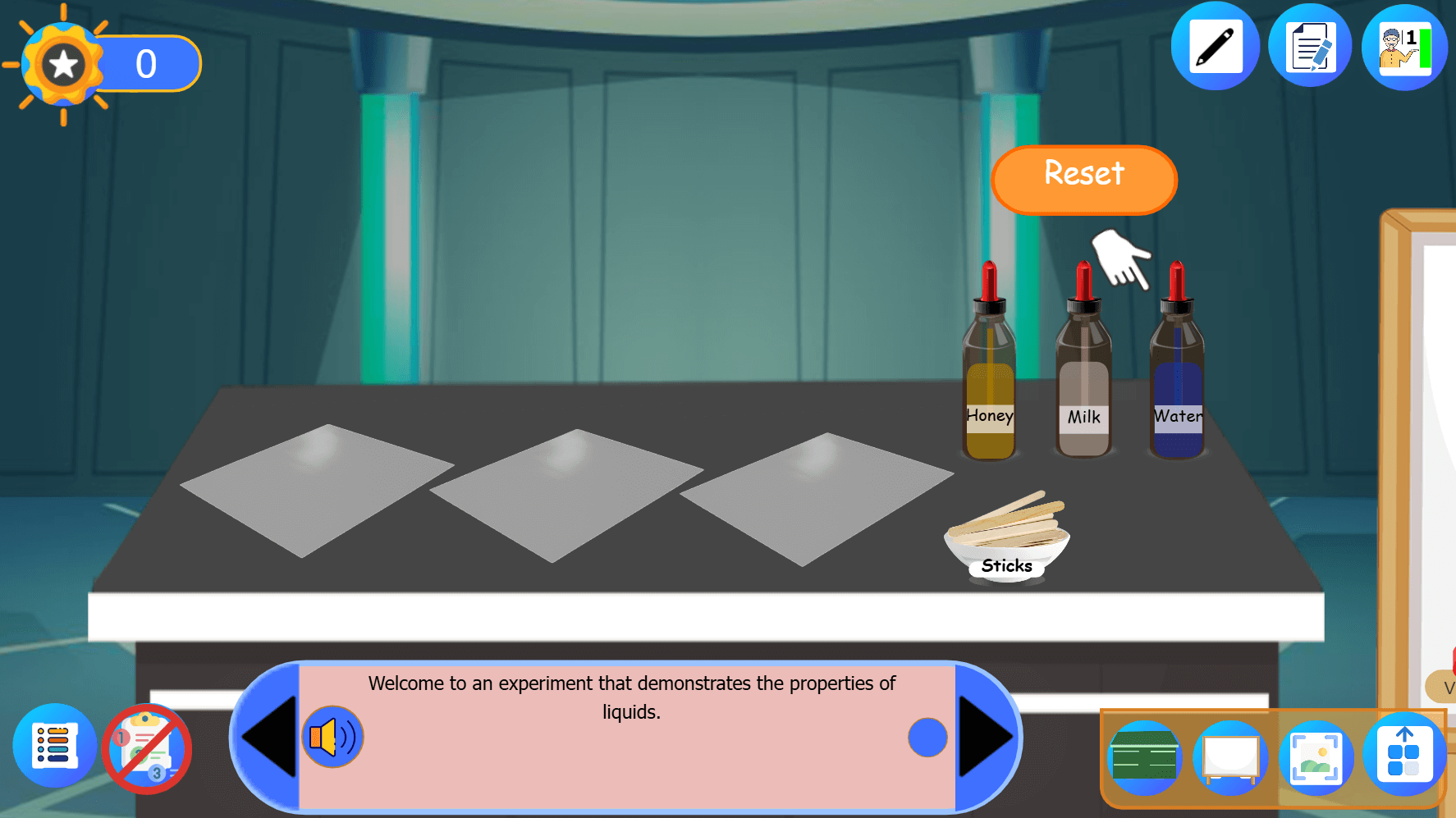
Objective: To observe the properties of different liquids using colored water, honey, and milk.Mater......
Science
Objective: To observe the properties of different liquids using colored water, honey, and milk.Materials: Colored water – honey – milk – wooden sticks – wax paper – dropperProcedure: Place a drop of each liquid on wax paper at close distances. Use a wooden stick to gently push each drop and observe......
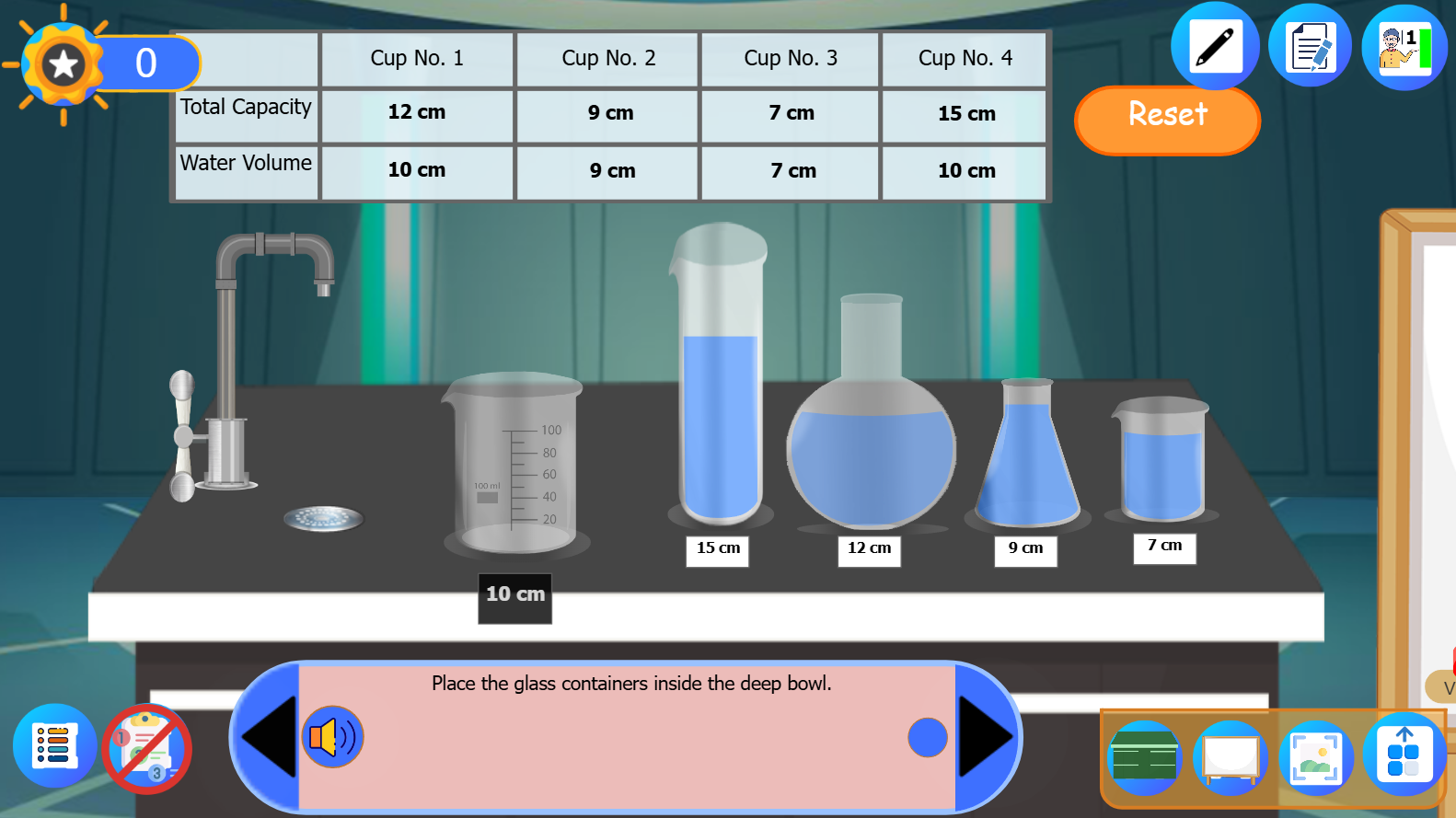
Objective: Observe how the shape of a glass container affects the water level.Materials: Measuring c......
Science
Objective: Observe how the shape of a glass container affects the water level.Materials: Measuring cup – glass containers of different shapes – deep container – colored waterProcedure: Place the glass containers inside the deep container to keep them stable. Measure 100 mL of colored water in the me......
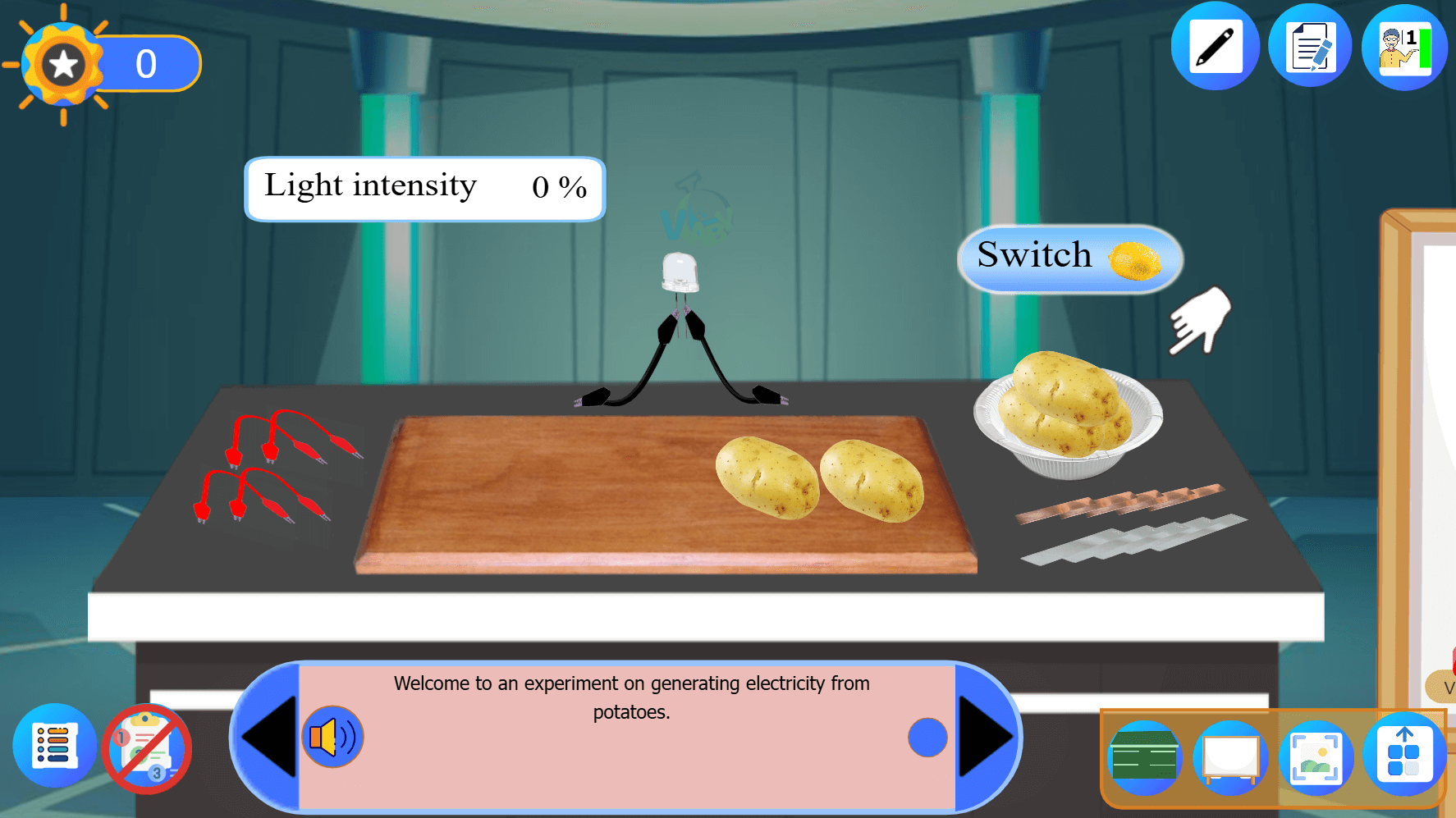
Objective: To learn how to convert chemical energy into electrical energy using potatoes as a power......
Human Uses of Energy
Objective: To learn how to convert chemical energy into electrical energy using potatoes as a power source.Materials: Fresh potatoes – copper strips – zinc strips – small LED – connecting wires with clips – safety goggles.Procedure: Insert a copper strip into the potato. Insert a zinc strip a small......
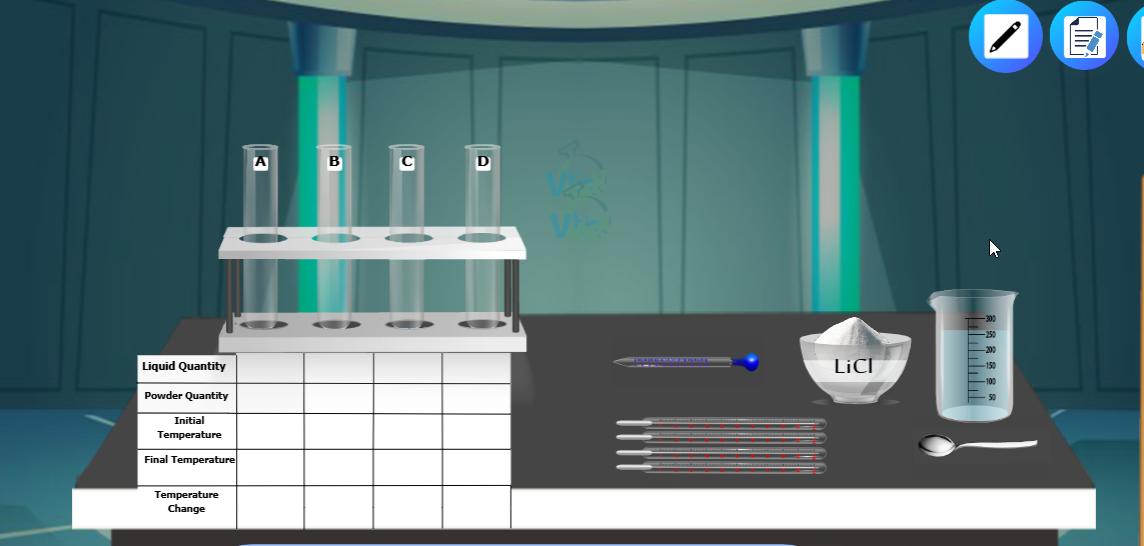
Objective: To study the effect of solute mass on the amount of temperature change accompanying the d......
Science
Objective: To study the effect of solute mass on the amount of temperature change accompanying the dissolution process.Materials: Solid lithium chloride (LiCl) – distilled water – glass beaker – thermometer – sensitive balance – stirring rod or spoon – stopwatch.Procedure: Prepare four identical tes......
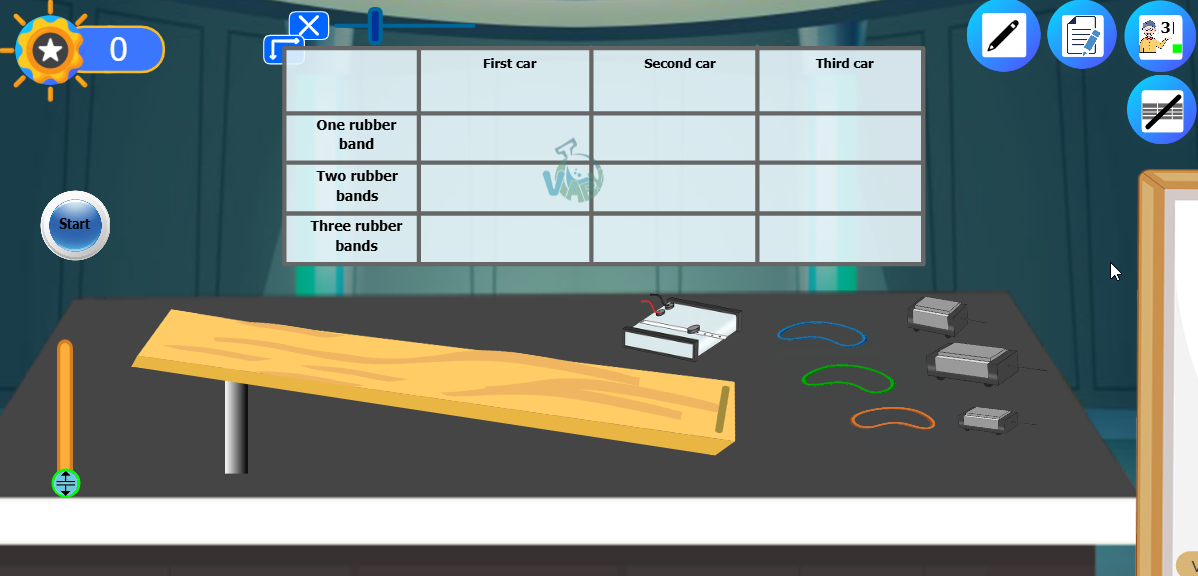
Objective To study the effect of force and mass on acceleration and verify Newtons second law F=maF=......
Science
Objective To study the effect of force and mass on acceleration and verify Newtons second law F=maF=maF=maMaterials Small wheeled cart _ adjustable ramp _ rubber bands _ 1–3 carts to change mass _ tape or motion sensor with computer _ side barrierProcedure Compensate for friction lift the ramp and l......
Objective: To prove that some chemical reactions are accompanied by the release of thermal energy, w......
Science
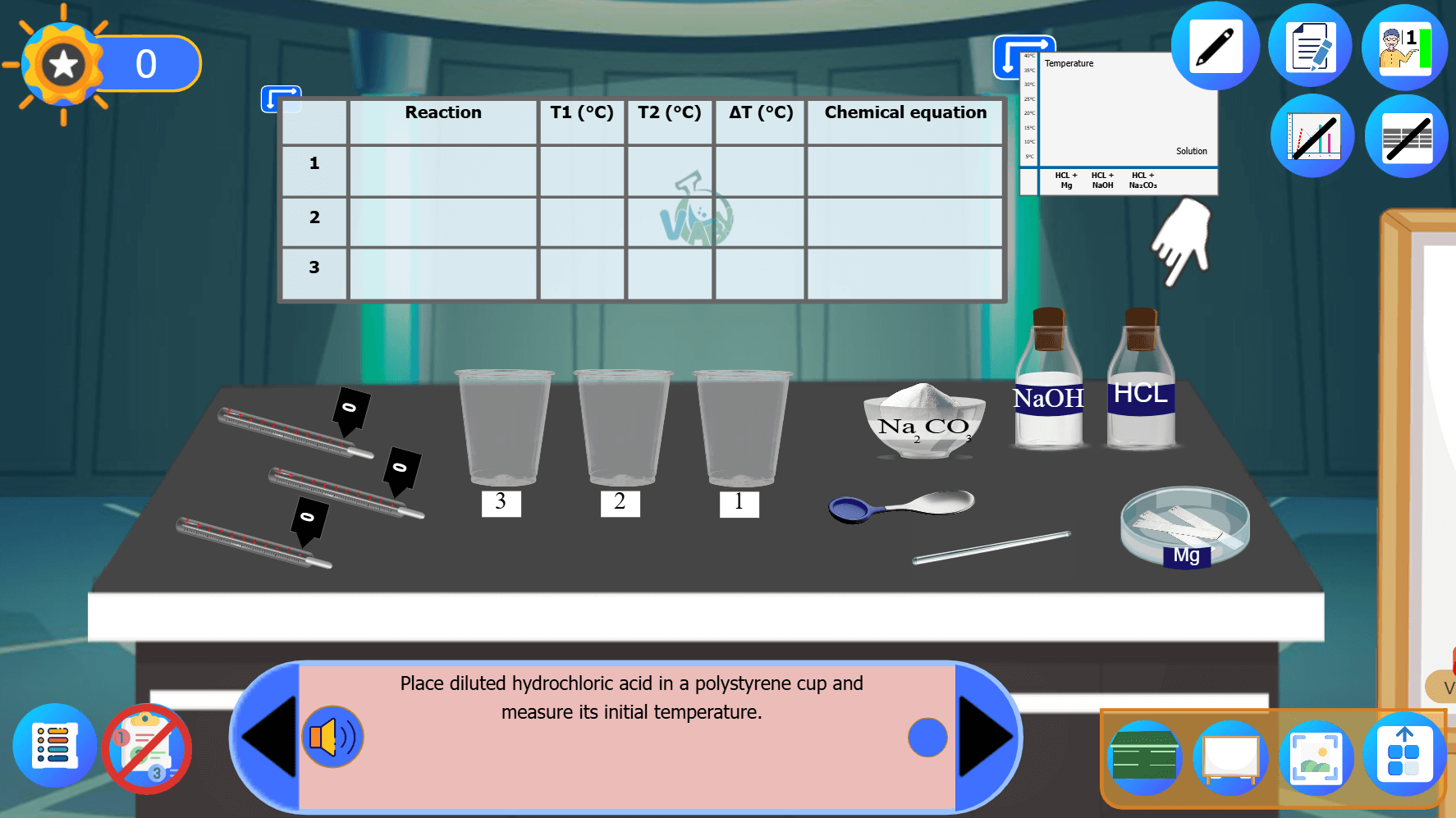
Objective: To prove that some chemical reactions are accompanied by the release of thermal energy, which leads to an increase in the temperature of the surrounding medium.Materials: Dilute hydrochloric acid – Magnesium ribbon – Sodium hydroxide solution – Sodium carbonate – Polystyrene cups – Glass......
Objective: To compare the amount of thermal energy released from the combustion of fats and carbohyd......
Integrated Sciences
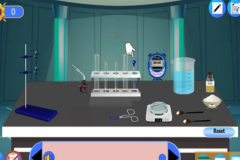
Objective: To compare the amount of thermal energy released from the combustion of fats and carbohydrates.Tools: Test tube - Combustion spoon - Bunsen burner - Sensitive balance - Thermometer - Water - Sample of white sugar (carbohydrate) - Sample of pure vegetable oil (fat)Steps: Place an appropria......
Objective: To identify chemical reactions that absorb thermal energy from the surroundings, leading......
Science
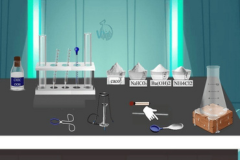
Objective: To identify chemical reactions that absorb thermal energy from the surroundings, leading to a decrease in temperature.Tools: Barium hydroxide - Ammonium chloride - Sodium bicarbonate - Dilute acid - Calcium carbonate - Glass flask - Insulated cup - Thermometer - Heat sourceSteps: Barium h......
Objective: To identify the difference between hydrated and anhydrous salts and to explain the effect......
Science
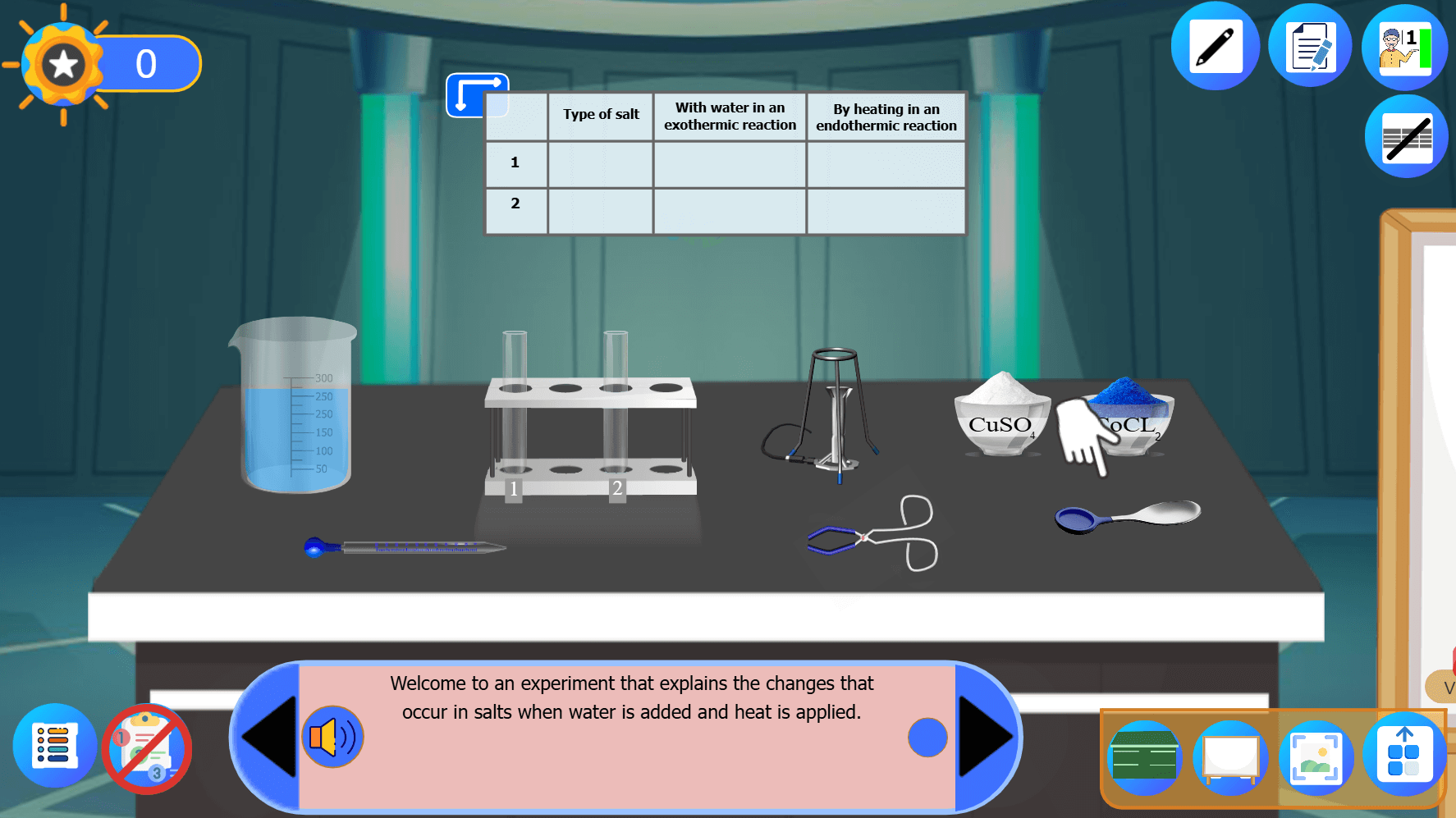
Objective: To identify the difference between hydrated and anhydrous salts and to explain the effect of adding water and heating on some salts.Materials: Anhydrous copper sulfate (CuSO₄) – Anhydrous cobalt chloride (CoCl₂) – Distilled water – Dropper – Test tubes – Heat source (Bunsen burner or elec......
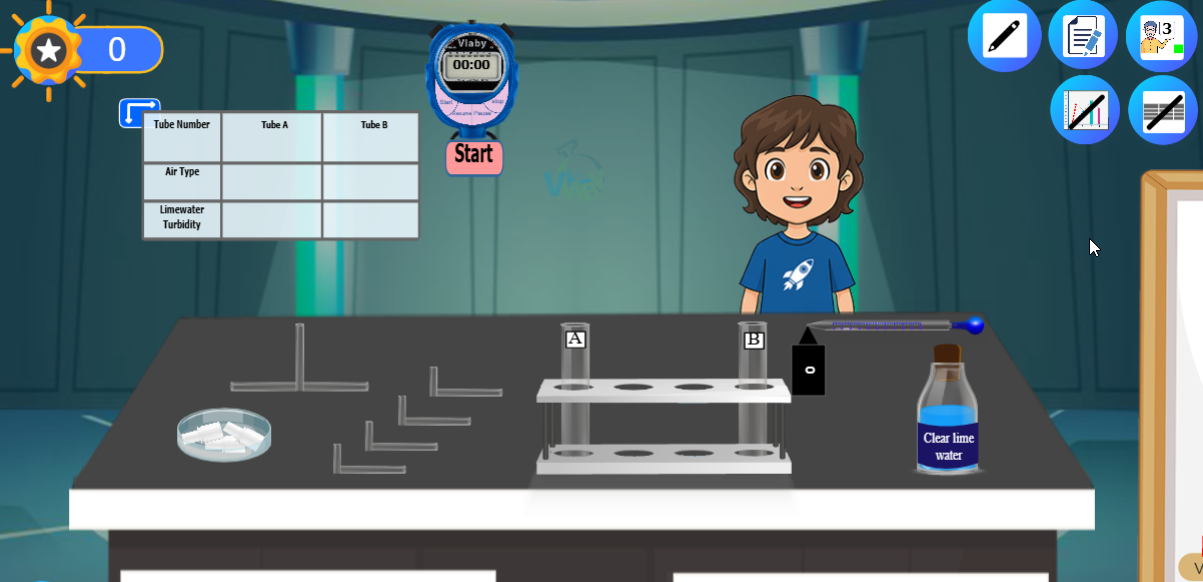
Objective: To prove that exhaled air contains a greater amount of carbon dioxide compared to inhaled......
Organisation of the organism
Objective: To prove that exhaled air contains a greater amount of carbon dioxide compared to inhaled air.Tools: Two large boiling tubes (A and B) - A small amount of clear limewater in each tube - Mouthpiece with one-way valves - Connecting tubesSteps: Place equal amounts of clear limewater in both......
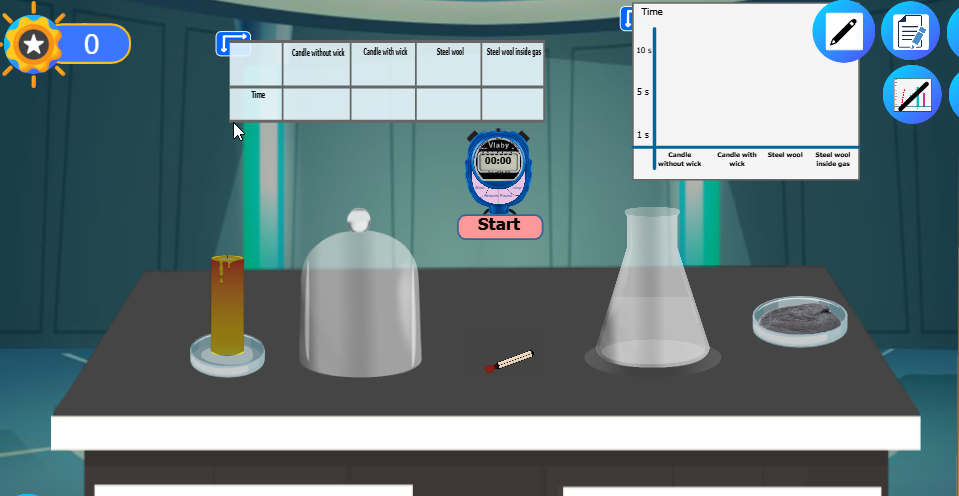
Objective: To prove that oxygen gas is essential for combustion and to study the effect of its conce......
Science
Objective: To prove that oxygen gas is essential for combustion and to study the effect of its concentration on the rate and intensity of burning.Tools: Paraffin candle _ Glass bell jar _ Piece of steel wool _ Flask containing pure oxygen gas _ MatchesSteps: Light the paraffin candle using a match.......
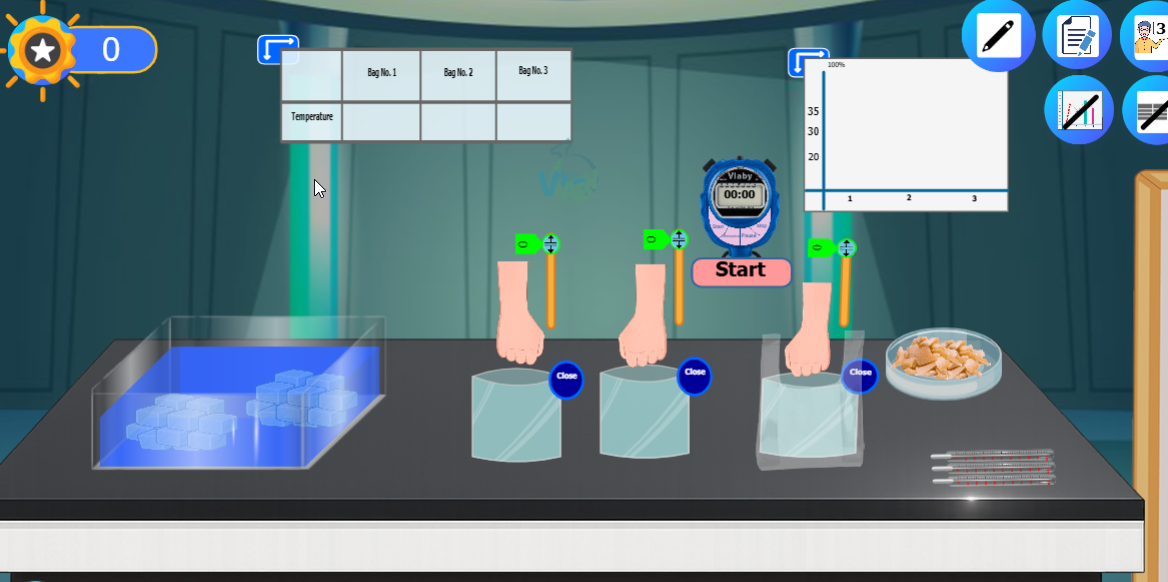
Objective To explain the role of fats in reducing heat loss and show that they act as a thermal insu......
Discover
Objective To explain the role of fats in reducing heat loss and show that they act as a thermal insulator that maintains body temperature.Tools Vegetable fats - Double-layer plastic bag - Plastic bag without fats - Bowl containing ice water - ThermometerSteps Place the vegetable fats inside the doub......
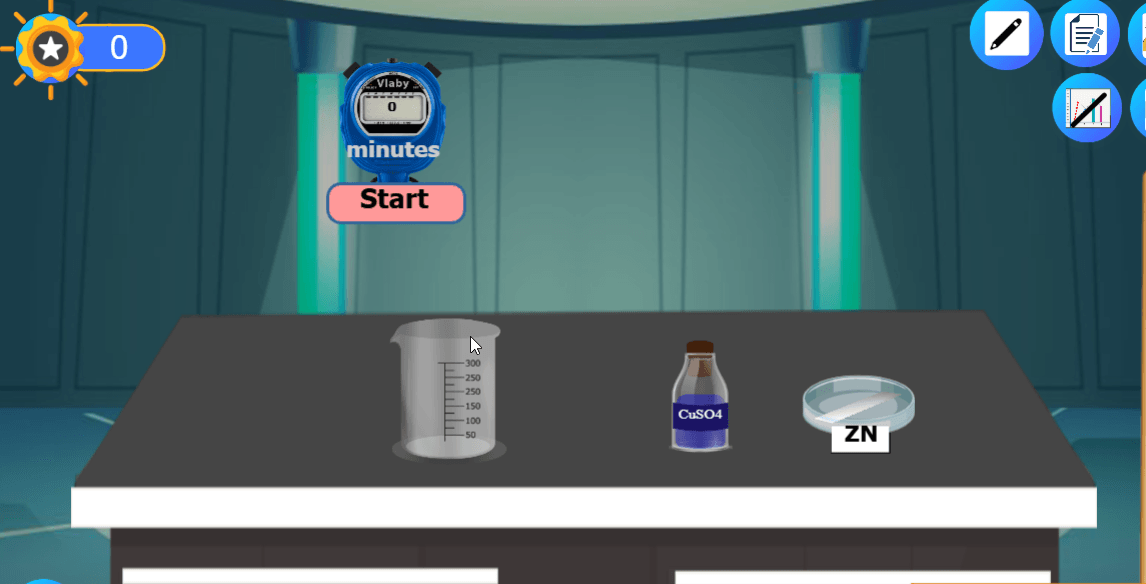
Objective: To study a spontaneous redox reaction between zinc metal and copper sulfate solutionMater......
Chemistry
Objective: To study a spontaneous redox reaction between zinc metal and copper sulfate solutionMaterials: Zinc plate _ Copper sulfate solution CuSO4 _ Glass beaker _ Forceps _ Glass rodSteps: Pour copper sulfate solution into a beaker Immerse the zinc plate in the solution Observe the surface and co......
Unit 1 | Atoms and the Periodic Table
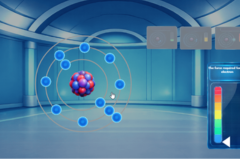
Relationship Between Electron Energy and Its Position in the Atom
Unit 1 | Atoms and the Periodic Table
Relationship Between Electron Energy and Its Position in the Atom

© All Rights Reserved @ 2026 For VLaby - Powered By VLaby.